
Dr. Maxwell’s quick Vomiting and Diarrhea Reference Guide for education and reference. Always talk with your doctor to ensure appropriate diagnosis, testing, and treatment. This guide is for education and reference purposes only.
Vomiting and/or diarrhea is one of the worst parent experiences – from seeing your child miserable to the cleanup (iykyk). The good news is that most cases can be treated at home and get better within a few days. This article will provide a brief overview of causes, treatments, and when to worry/when to see your doctor.
CONTENTS
Common Causes of Diarrhea and Vomiting
Viral Gastroenteritis (Stomach Bug / Stomach Flu)
This is one of the most common cause of diarrhea and vomiting in kids. Symptoms usually only last a few days, are often mild, and do not require antibiotics. Testing is usually not required to determine the exact cause, but can be considered for specific community or daycare outbreaks, or for prolonged symptoms. Some common viruses include Norovirus, Rotavirus, and Enteric Adenovirus among others.
Toddler’s Diarrhea (Functional Diarrhea)
This is typically a non-infectious cause of diarrhea in toddlers to young children. Often, parents describe this as “loose stools” rather than liquid diarrhea, and may include chunks of food, last a few days, and can come and go randomly. This can be due to multiple things happening at the same time including:
- Not chewing food well (often worse when teething)
- Putting everything in their mouth (introducing germs)
- Softer diet
- Excessive milk and/or juice
- Other viral illness (cold symptoms), swallowing mucus
- New foods and/or developing digestive system
If your child is gaining weight, staying hydrated, and behaving normally, there is typically no reason to worry. But you can always request an evaluation by your child’s doctor.
Encopresis (Soiling) / Constipation
Encopresis can be confusing because its underlying cause is constipation! This happens when excessive stool blocks normal passage of stool within the intestines causing “leaking” around the blockage. This is typically seen as accidents in underwear. Talk with your pediatrician about a constipation evaluation and possible cleanout.

Check out this article for more
Soiling (Encopresis)
Food Poisoning
This is usually the first thing everyone tries to rule out: Did I eat something bad? The best treatment is prevention! Be sure to wash your hands, cook and wash food properly, store and reheat food properly, avoid raw foods and dairy, and be cautions at large group gatherings or buffet-style restaurants where food sits out for prolonged periods of time.
Here are the most common causes of food poisoning according to the CDC and FDA:
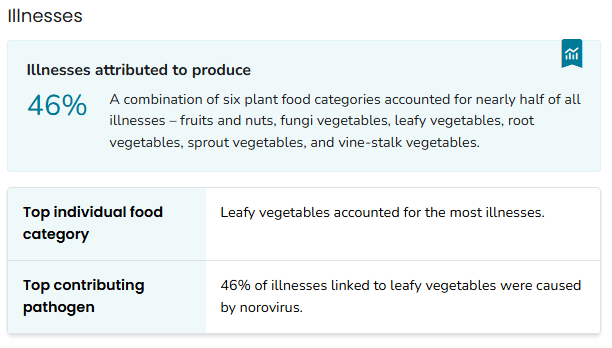
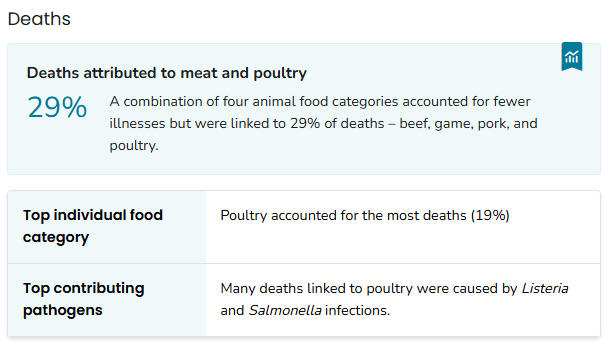
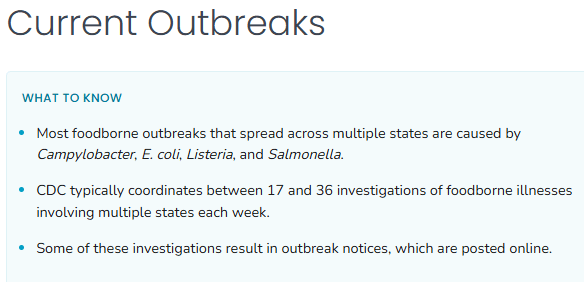
For the latest, go to the CDC FOODBORNE OUTBREAKS page
Treatment
Hydration
This is probably the most important thing to pay attention to. If your child cannot stay hydrated, they should be seen by a doctor. A decreased appetite is very normal while feeling sick, and kids may not eat much at all. This is ok as long as they stay hydrated. Be sure to give small, frequent sips. Kids will often want to drink large amounts all at once, but this may come right back up.
You can try sterile sponges or a wet rag to help moisten the mouth so they don’t overdo it.

Signs of dehydration include
- Dry mouth and cracked lips
- Pale-appearing
- Not producing tears
- Decreased urine production (less than 3 wet diapers in 24 hours, not going to the bathroom to pee)
For infants, use breast milk or formula. DO NOT give water. If unable to drink milk, see your doctor in case IV fluids are needed.
For older kids, water is ok to give. You can consider Electrolytes, but be careful with the amount of sugar and artificial sweeteners as this can also cause loose stools or prolong diarrhea.

And before you spend tons of money on Pedialyte or fancy electrolytes, there’s a much cheaper, simpler, and tastier option: 50/50 Apple Juice and Water Mix. In fact, a 2016 randomized controlled trial, showed that this solution was just as good or better than an Electrolyte Maintenance Solution, specifically in reducing the need for IV fluids, doctor visits, and hospitalizations.
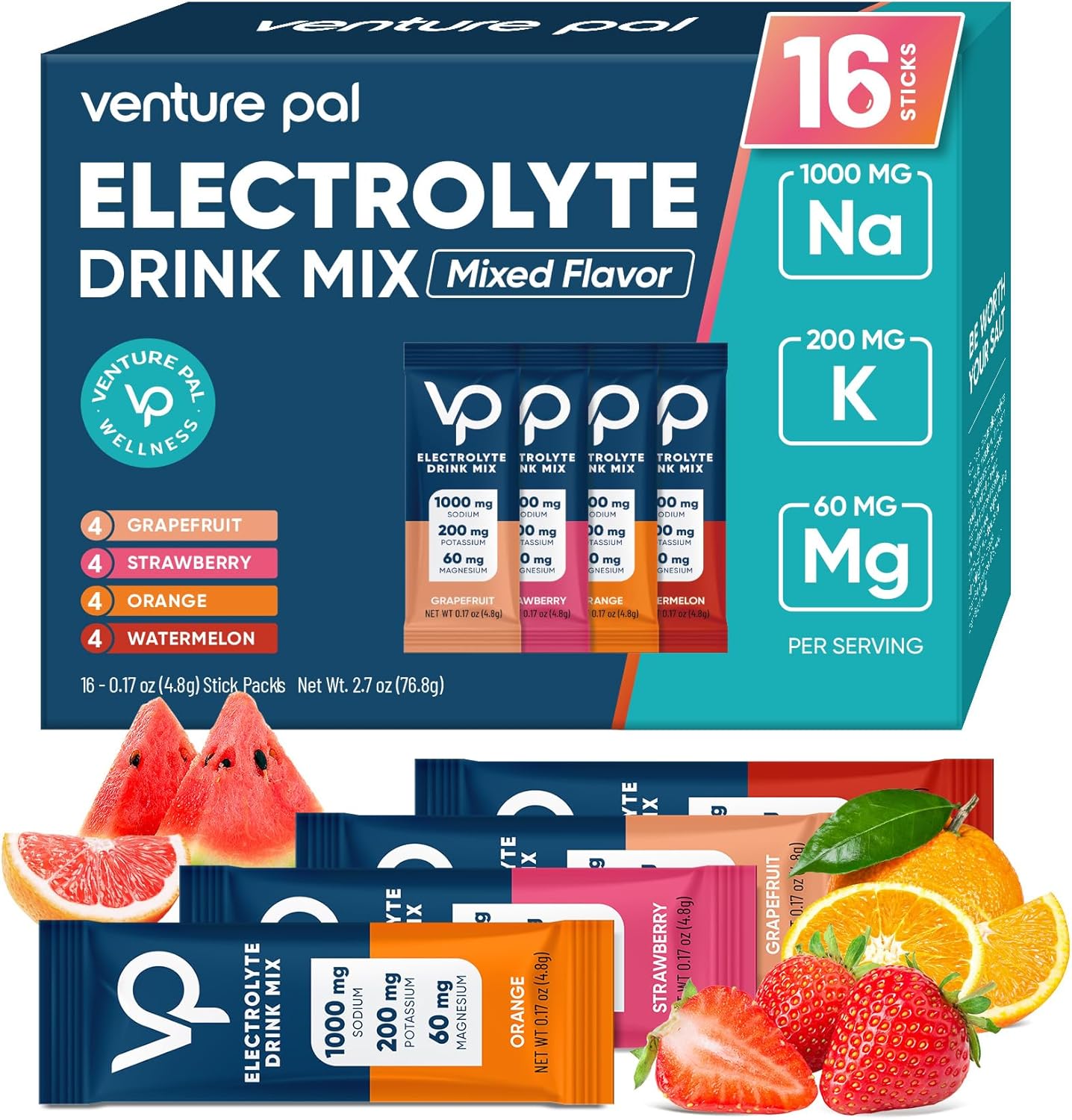
Here are my favorite electrolyte mixes:
Transparent Labs Hydrate Electrolyte Formula
High quality and similarly priced cost per ounce compared to other options

Venture Pal Electrolyte Mix
Balanced electrolyte mix with multiple flavor options. Inexpensive cost per oz compared to most other options

Food
The old “BRAT diet” (bananas, rice, applesauce, toast) is outdated. You can let your child eat regular food if they’re up for it, but with the following recommendations
Over the Counter Medications
Always use caution when purchasing over the counter medications for vomiting and diarrhea. In general, choose products that help with your child’s comfort such as Tylenol (acetaminophen), and hydration (electrolytes).
🚫AVOID Imodium (loperamide) as this can cause unwanted side effects in children
Here are a few over the counter options you can consider. Always discuss with your doctor to ensure proper use and dosing:

Active ingredients:
– Dextrose
– Levulose (Fructose)
– Phosphoric Acid
Helps by relaxing smooth muscles of the stomach and lowering stomach acid pH.
Not for use in children under 2 years old.
AMAZON LINK

Active ingredients:
– Bismuth Subsalicylate
DO NOT USE IN CHILDREN UNDER 12
The Salicylic Acid (similar to Aspirin) can cause a serious condition called Reye’s Syndrome. Read more HERE
Bismuth works by coating the stomach lining, preventing acid secretion, and disrupts certain infections from binding to the gastrointestinal mucosal lining. Be aware that when used, it can turn stool black.
AMAZON LINK


Active ingredients:
– Calcium Carbonate
– Similar to TUMS, but at a lower dose appropriate for kids
Works by neutralizing stomach acid
Prescription Medications
One of the most commonly prescribed anti-nausea medications is Zofran (Ondansetran) which should be used cautiously in kids and under the direction of your prescriber. Most kids only need 1 or 2 doses, just enough to stop vomiting in order to rehydrate.
When to Call Your Pediatrician (Red Flags)
If at any stage of your child’s illness you are concerned, call your pediatrician and they can evaluate, examine, and recommend necessary testing and/or treatments. Trust your instincts! If something feels off, it’s worth checking.
Dehydration
- Decreased wet diapers or urine production
- Dry mouth or lips
- No tears when crying
- Refusing or unable to drink fluids
- Excessive fluid loss (multiple episodes of diarrhea or vomiting)
Blood
Anytime you see blood after vomiting or diarrhea, you should have your child seen. Although blood can be seen in a diaper or in stool due to diaper rash or irritation, it is good to check in with your pediatrician to determine the source of blood.
‼️Projectile Vomiting (Infant) = EMERGENCY ‼️
This may mean your baby has PYLORIC STENOSIS. This is seen in infants around 2 weeks to 6 months old and happens after EVERY FEED.
‼️Bilious Vomiting (GREEN) = EMERGENCY‼️
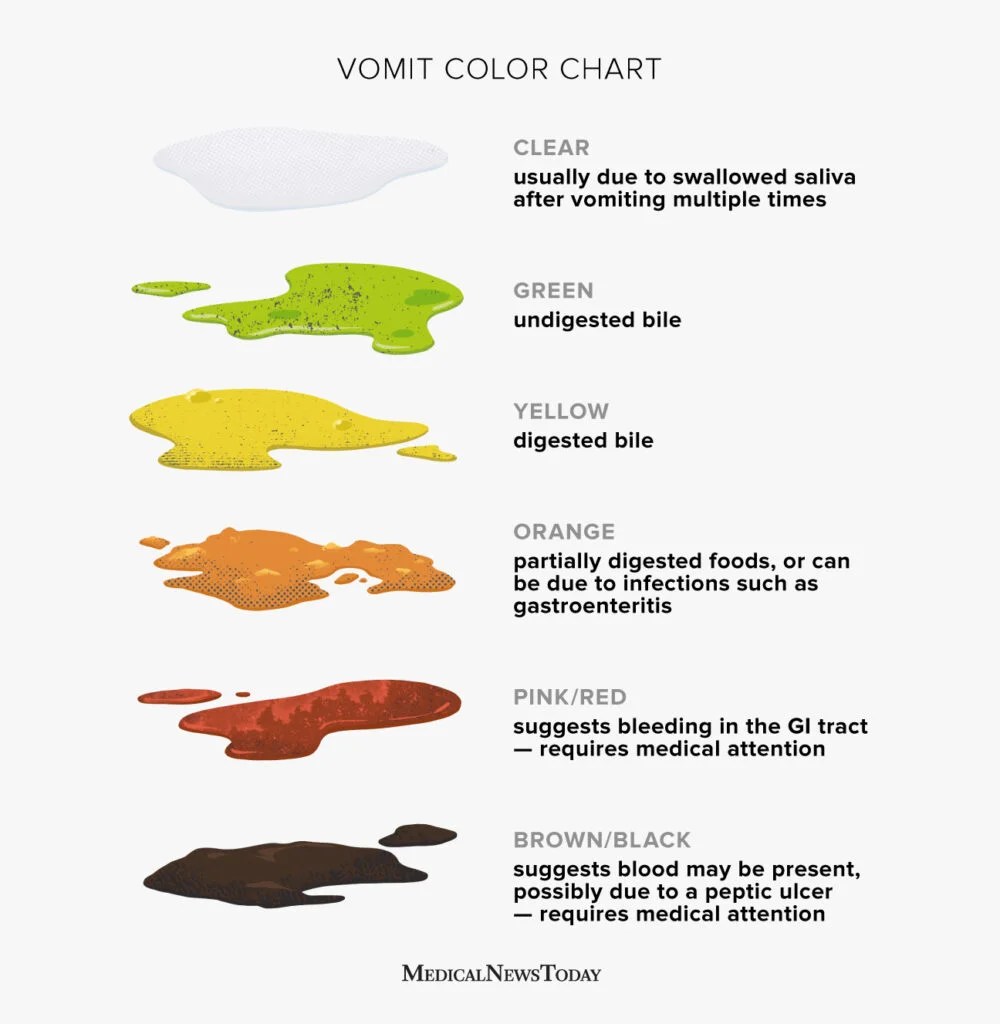
Bright Green, bilious vomiting is a TRUE EMERGENCY that might mean there is a BLOCKAGE that needs IMMEDIATE MEDICAL CARE.
Other Causes
Babies and children often have vomiting and diarrhea for many other illnesses. Here is a list of other causes that might warrant a visit to your pediatrician for an evaluation:
- Ear infection
- UTI
- Appendicitis
- Accidental Ingestion (Poison Control)
- Asthma (vomiting after coughing)
- Cold or Flu
- Diet related – eating too fast, not chewing well, too much fruit or sugar, etc.
- Spitting up, reflux, GERD
Bottom Line
- Focus on hydration
- Small sips of fluids and gradual reintroduction of food
- Most kids recover with time and home remedies
- Don’t hesitate to call your pediatrician for an evaluation
- Know the red flags and when to get help








Leave a Reply