
Image courtesy of cdc.org
← Back to the Pediatrician’s Corner
Subscribe to stay up to date
TABLE OF CONTENTS
PUBERTY AND DEVELOPMENT
Talking about puberty can feel embarrassing AND at the same time normal. In fact, you’d be surprised how many kids and parents have the exact same questions! So don’t hesitate to ask your pediatrician so they can talk through what is normal and what to expect.
Here are some great resources to check out:


ALL ABOUT PUBERTY Read More
MENTAL HEALTH
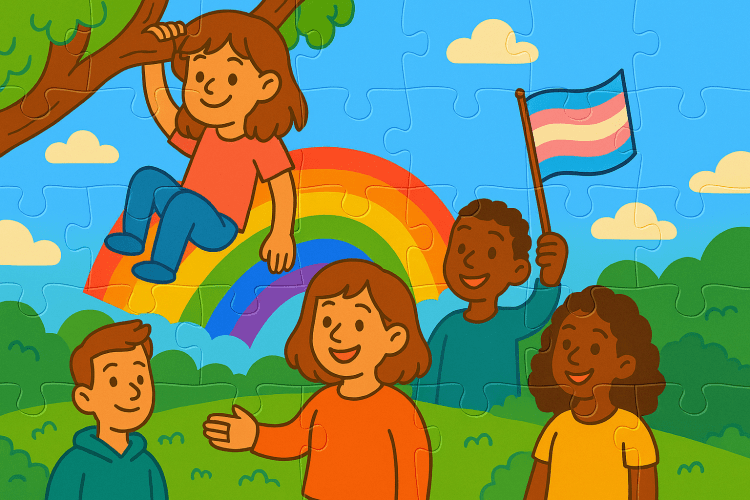
Mental Health is every bit as important as physical health, especially during teenage years.
Mental Health
Dr. Maxwell’s Mental Health Resource Page – ADHD, Therapy, Counseling, Depression, Anxiety, LGBTQ+, and more
Keep reading


SLEEP
Would you believe me if I told you your teen needs around 10 hours of sleep per night?
Would you believe me if I told you your teen should maintain a similar sleep schedule on school nights AND on weekends?
Would you believe me if I told you the responsibility does not lie fully on their shoulders?
Establishing good sleep habits is a family effort and should be modeled by parents and caregivers. Extenuating circumstances, difficult work schedules, extra curricular activities, etc. will always exist. Therefore, do your best and make family sleep a team effort!
Read the article below for more resources.
Sleep
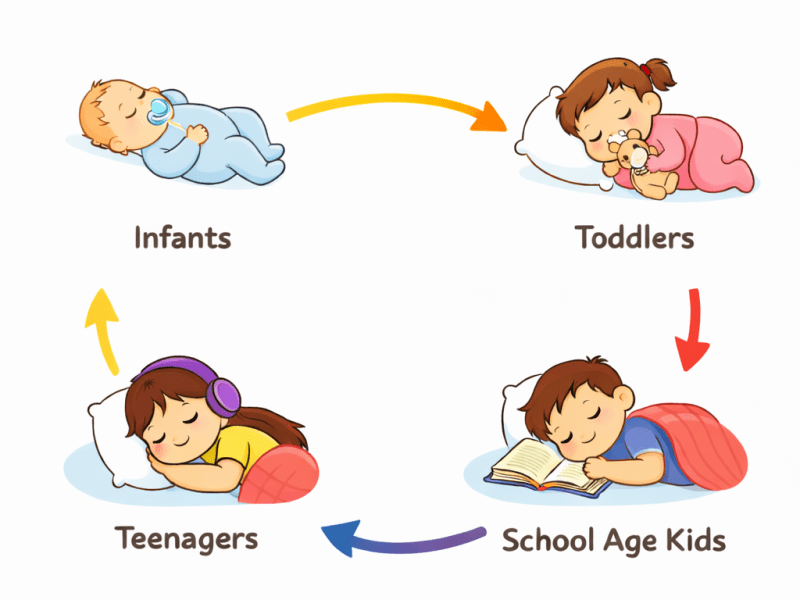
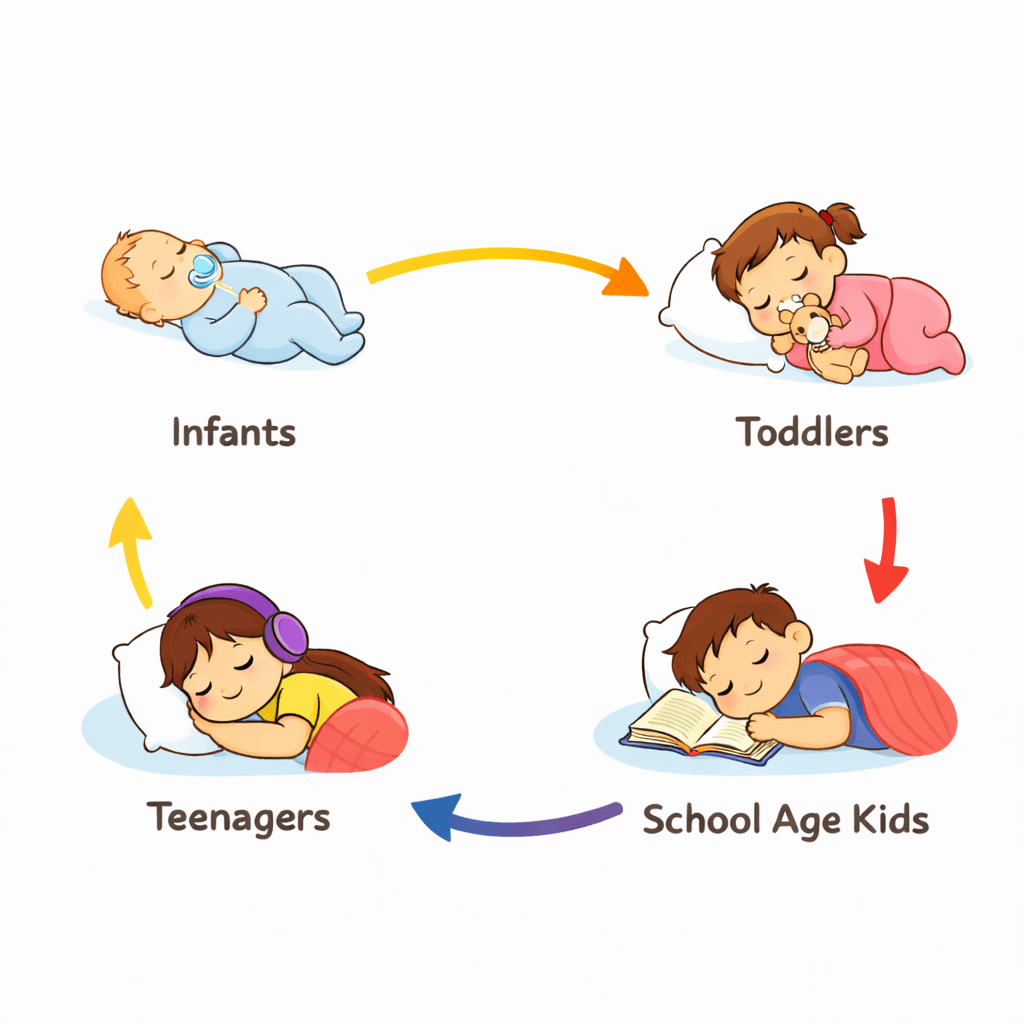
Dr. Maxwell’s Sleep Guide. Includes Infants, Toddlers, School-age, and Teenagers with sleep schedules, common problems, unique situations, helpful resources and recommendations.
Top 3 Sleep Tips
- Create a positive sleep environment
- No TV’s or gaming systems in the bedroom. Get out of the habit of having the TV on in the background while you sleep.
- Use your bed for SLEEP ONLY
- Adjust temperature to be slightly cooler at night
- Try to dim lights as much as possible in the bedroom before bedtime
- Create a routine
- Try to go to bed around the same time every night and wake up around the same time every morning, including weekends!
- Do things to naturally shut your brain down 1-2 hours before bedtime. This could include dimming lights around the house, playing relaxing music, turning off games, electronics, and cell phones
- A good night’s sleep begins in the MORNING!
- One of the first things you should do when you wake up is get some natural light exposure. Even 5 minutes makes a big difference! You can open up the windows, go outside, or roll down your window on your way to school or work and look at the sky. This works even on a cloudy day.
- It is also important to get outside during the day whenever possible, especially in the afternoon, and get some natural sunlight exposure.
Check out the full sleep article for more!
ACNE
One of the most common questions I get during teen well visits. Check out the article below for a deep dive!
SCHOOL
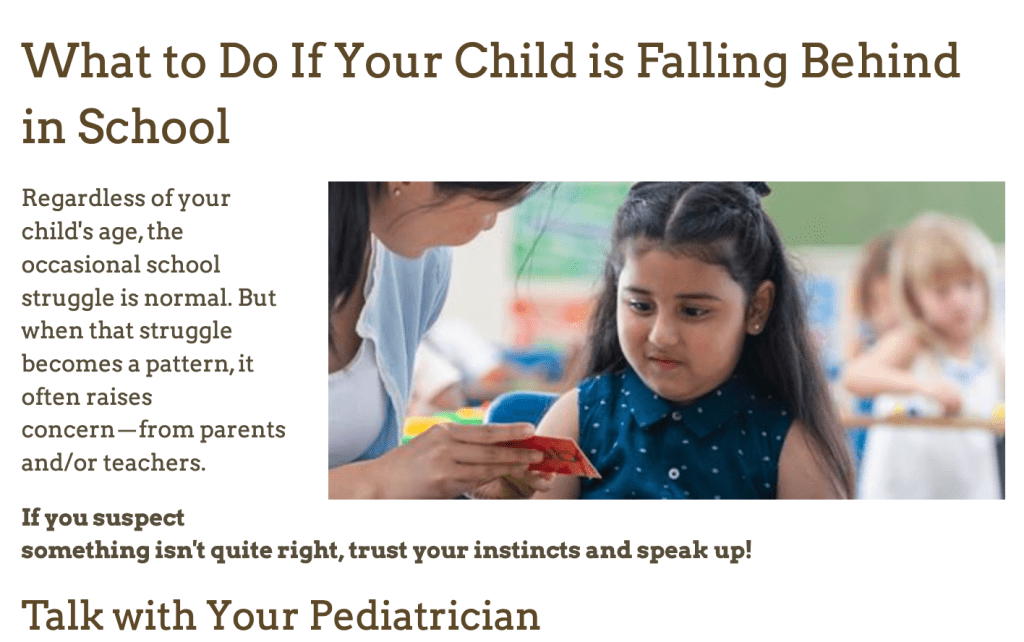
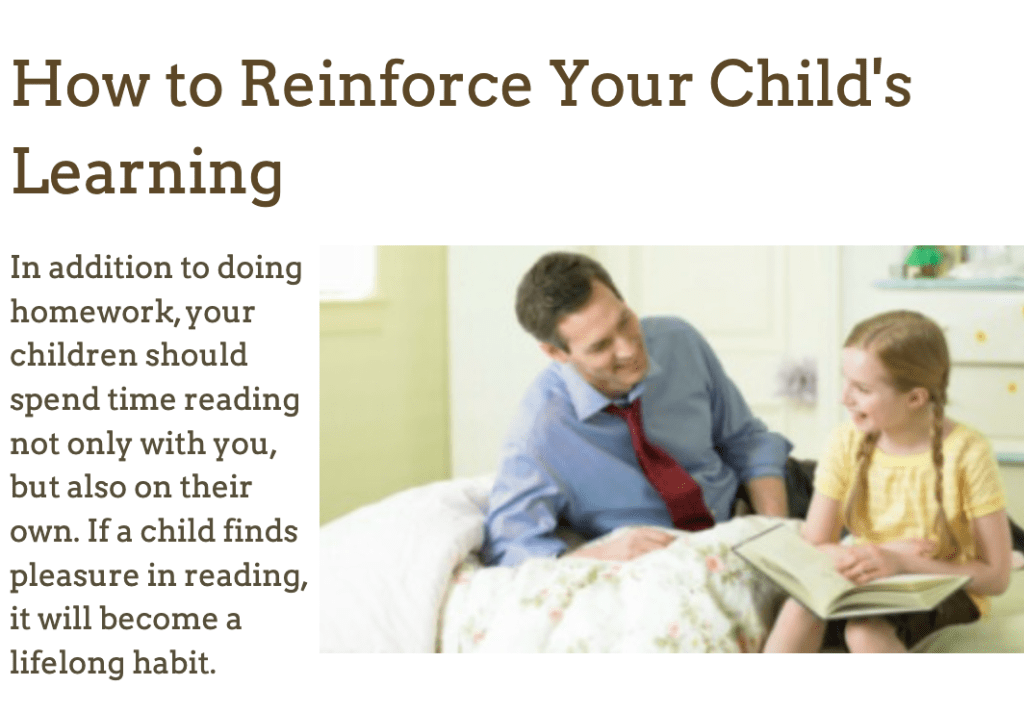
At this age, school continues to be an important part of your child’s development of social, emotional, and academic milestones. And school is often where struggles in any of these areas are identified. School is also where help and support can be provided. Talk with your pediatrician and with your child’s school if you are concerned.


READ

DIET – HEALTHY EATING
Keep it simple:
- Protein
- Fiber
- Water
It’s much easier to find ways to add to what you are already eating, rather than to go on a diet and change everything you eat. Try to reduce soda and juice and drink more water. Give your kids options and allow them to learn to choose what they want to eat and the portions. Involve your kids in the planning, shopping, and preparation of meals. Help them develop a good relationship with food, their body image, and self-esteem.
SCREENING TESTS
At their 11 year checkup, your child should have had screening tests to check HEMOGLOBIN for anemia, and a LIPID PANEL to screen for cholesterol and early signs of diabetes. If these levels were abnormal, or if other family risk factors exist, your pediatrician may recommend checking these levels each year or as needed.
VACCINES
HPV!
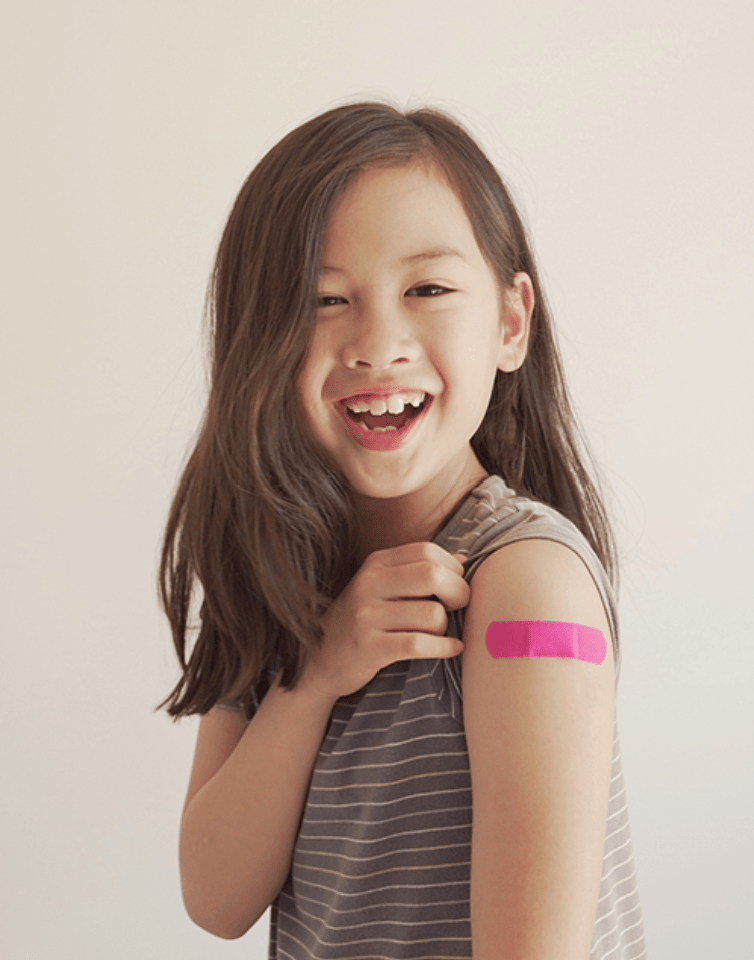
As early as 9, your child can get the HPV vaccine! HPV stands for Human Papilloma Virus, and the vaccine protects against specific strains that can cause certain types of cancer later in life in both females AND males. Starting as early as 9, you can secure your child’s protection against these strains long before they ever come in contact with the them.
Read more from the American Academy of Pediatrics HERE and HERE




Vaccine Information Statements (VIS)
Click Here
DENTAL CARE (TEETH)
At this age, your child should be going to the dentist regularly, and the orthodontist if necessary.
TOOTHPASTE
Toothpaste with Fluoride, Hydroxyapatite, and Xylitol are good choices
Happy Tooth – Hydroxyapatite
Created by a local Utah dentist, Dr. Hanks, this toothpaste is Hydroxyapatite based which is great for babies, toddlers, and kids because it is safe to swallow!
I reached out to them personally and they offered me a discount link and code!
Use code “JOSHMAX” or go directly by going to https://tryhappytooth.com/JOSHMAX

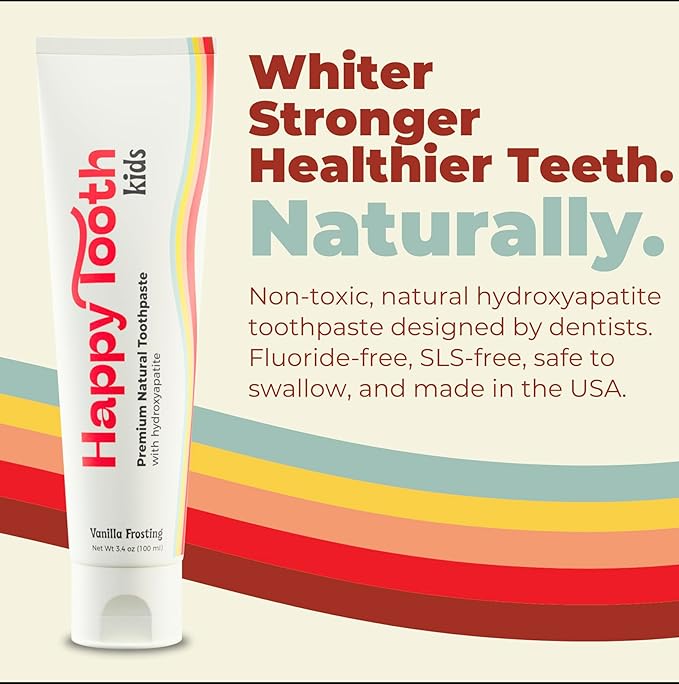
Alternatively, you can purchase on Amazon HERE
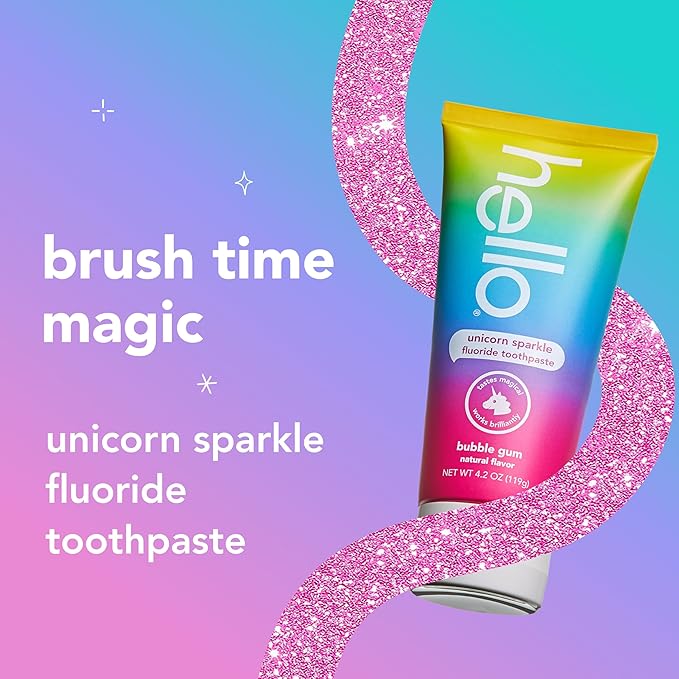
Unicorn Sparkle (Bubble Gum) – Fluoride
Fluoride based toothpaste that I typically buy for my kids
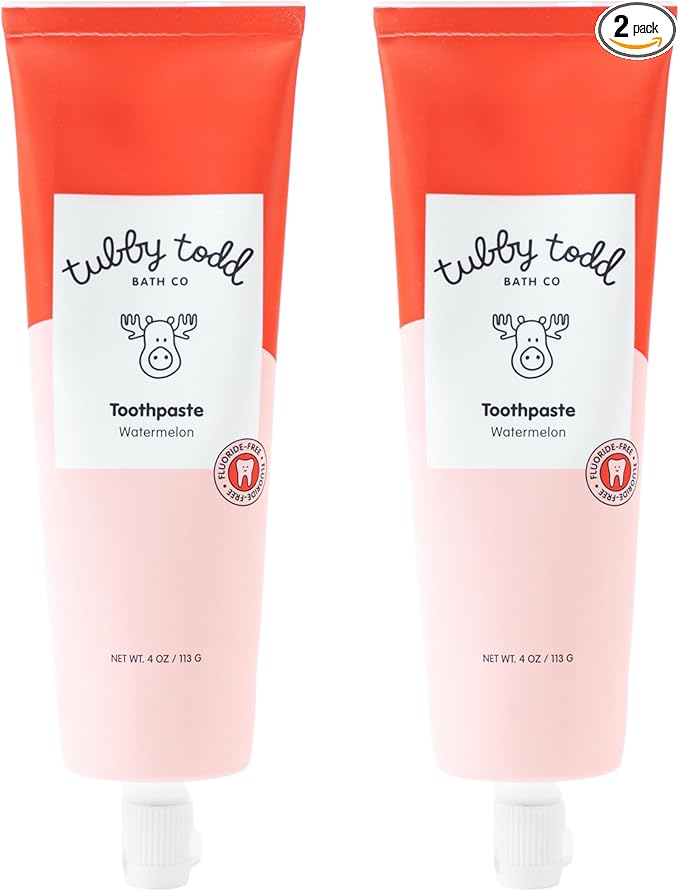
Tubby Todd – Xylitol
Xylitol option from a well-known pediatric brand
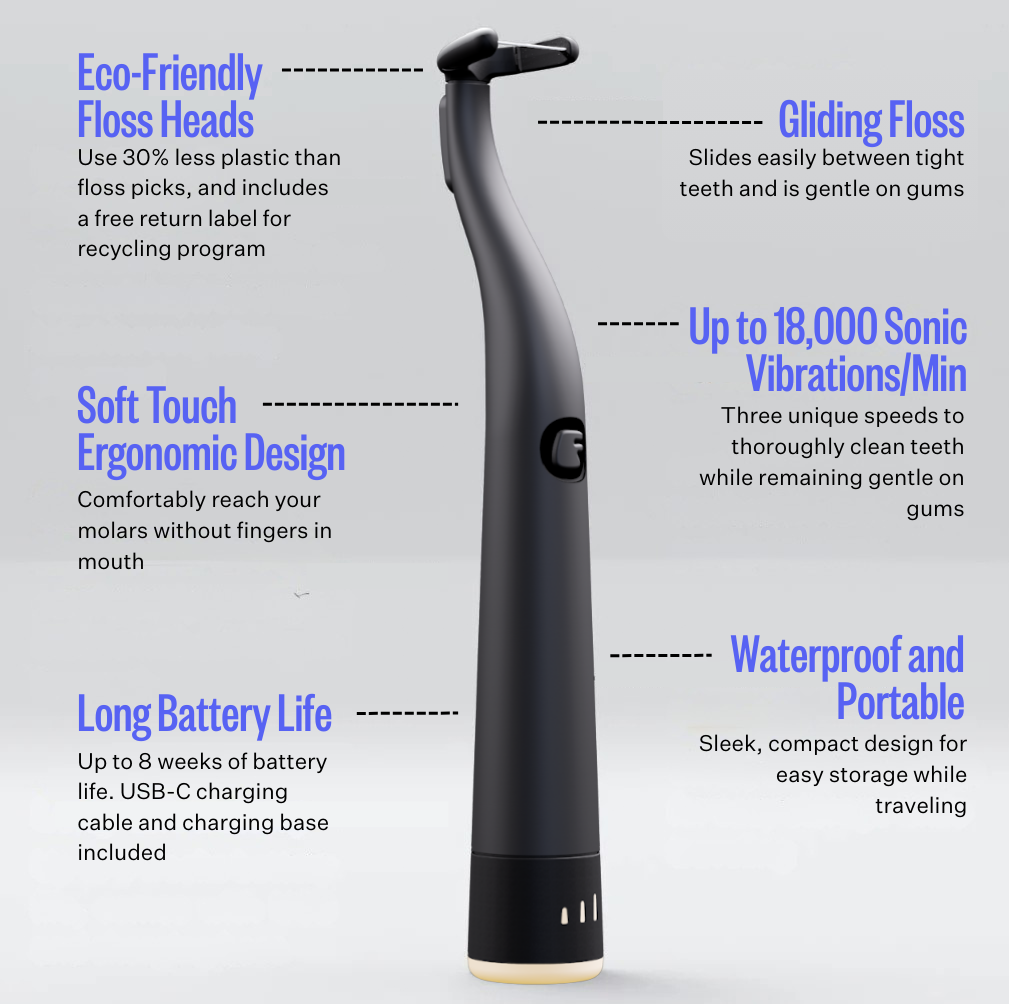
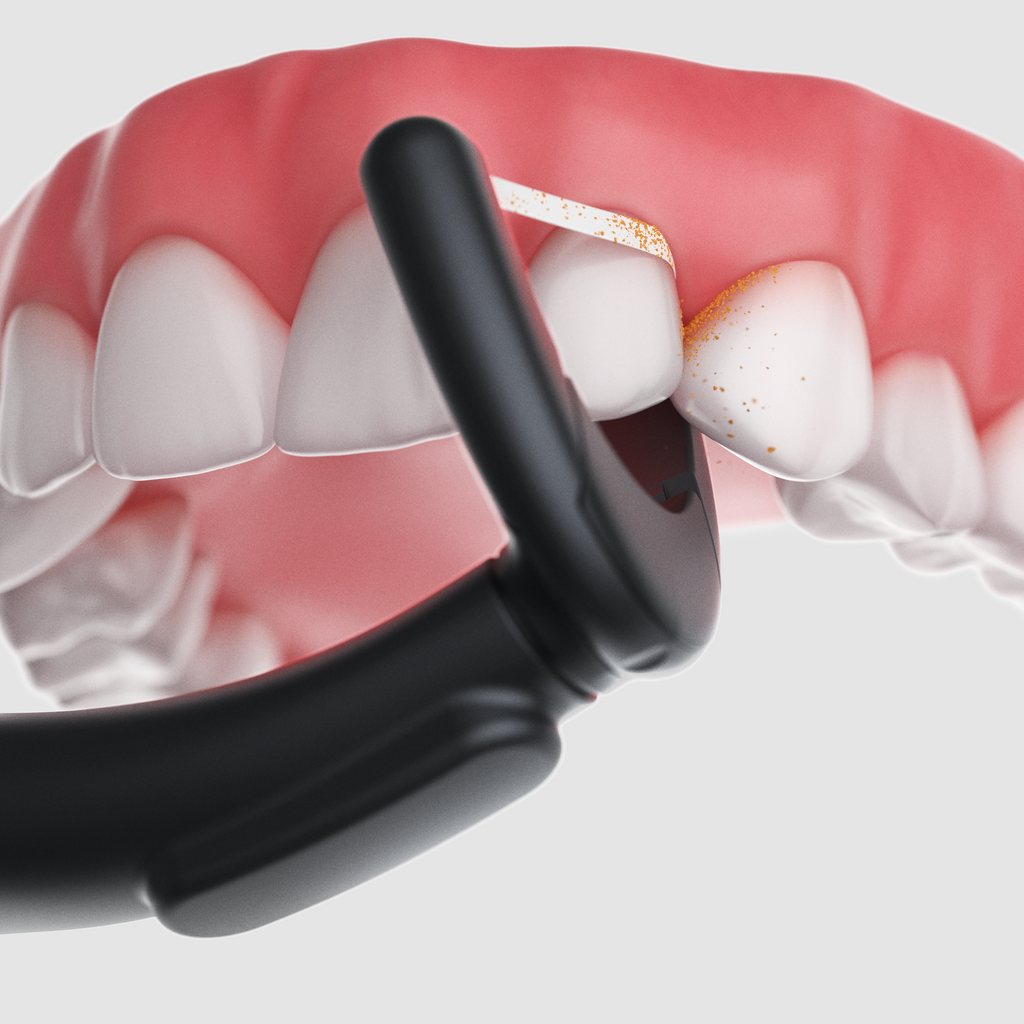
Don’t Forget to FLAUS!
This has been the only way I have been able to get my kids to FLOSS consistently! I use it for myself too! It vibrates for even more effective flossing compared to string or cheap flossers.
I like it so much, I reached out to FLAUS and they provided me with a discount link and code!
FEVER & DOSING
DO NOT give Ibuprofen (Motrin) to infants under 6 months of age
DO NOT give Acetaminophen (Tylenol) to infants under 2 months of age
(unless directed by your doctor)
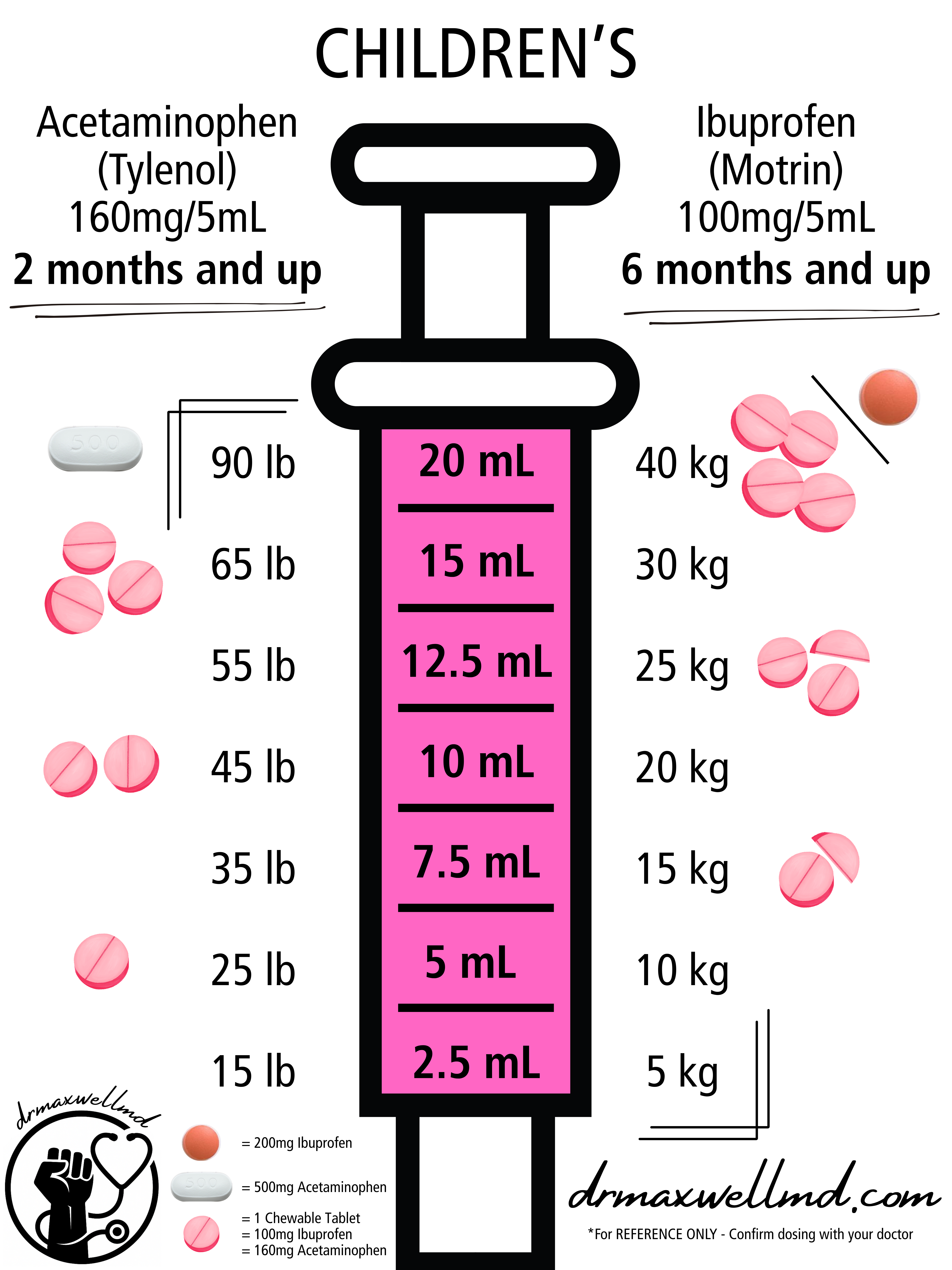
Fever, whether from sickness or after vaccines, does not necessarily need to be treated. If your child is playful, happy, eating, and staying hydrated, you can likely let the fever run its course, but often kids feel uncomfortable and fussy. Medicine should be used to help them feel better, not just to break the fever. Also, if your child is uncomfortable and fussy without a fever, it is still ok to use medicine to help them feel better. Medications most commonly used are Acetaminophen (Tylenol) and Ibuprofen (Motrin).
It’s important to check with your doctor to ensure the fever is properly diagnosed and your child is given the correct dose based on their weight.
See below for a dosing reference guide:
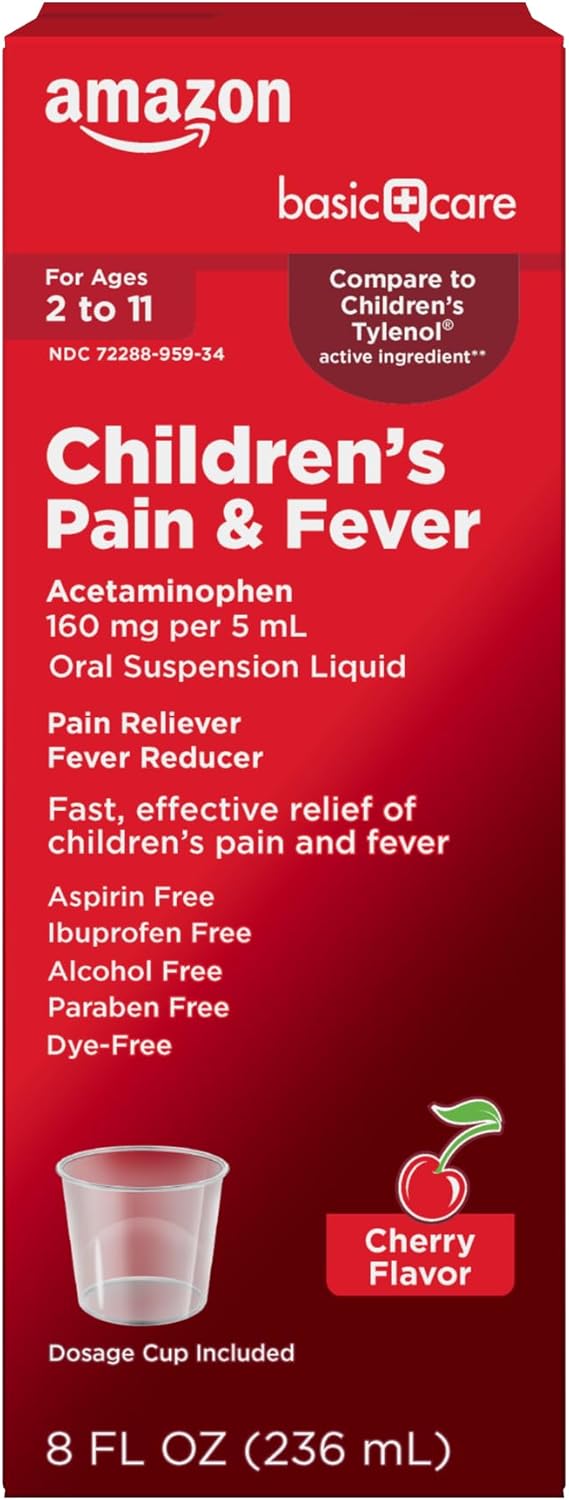
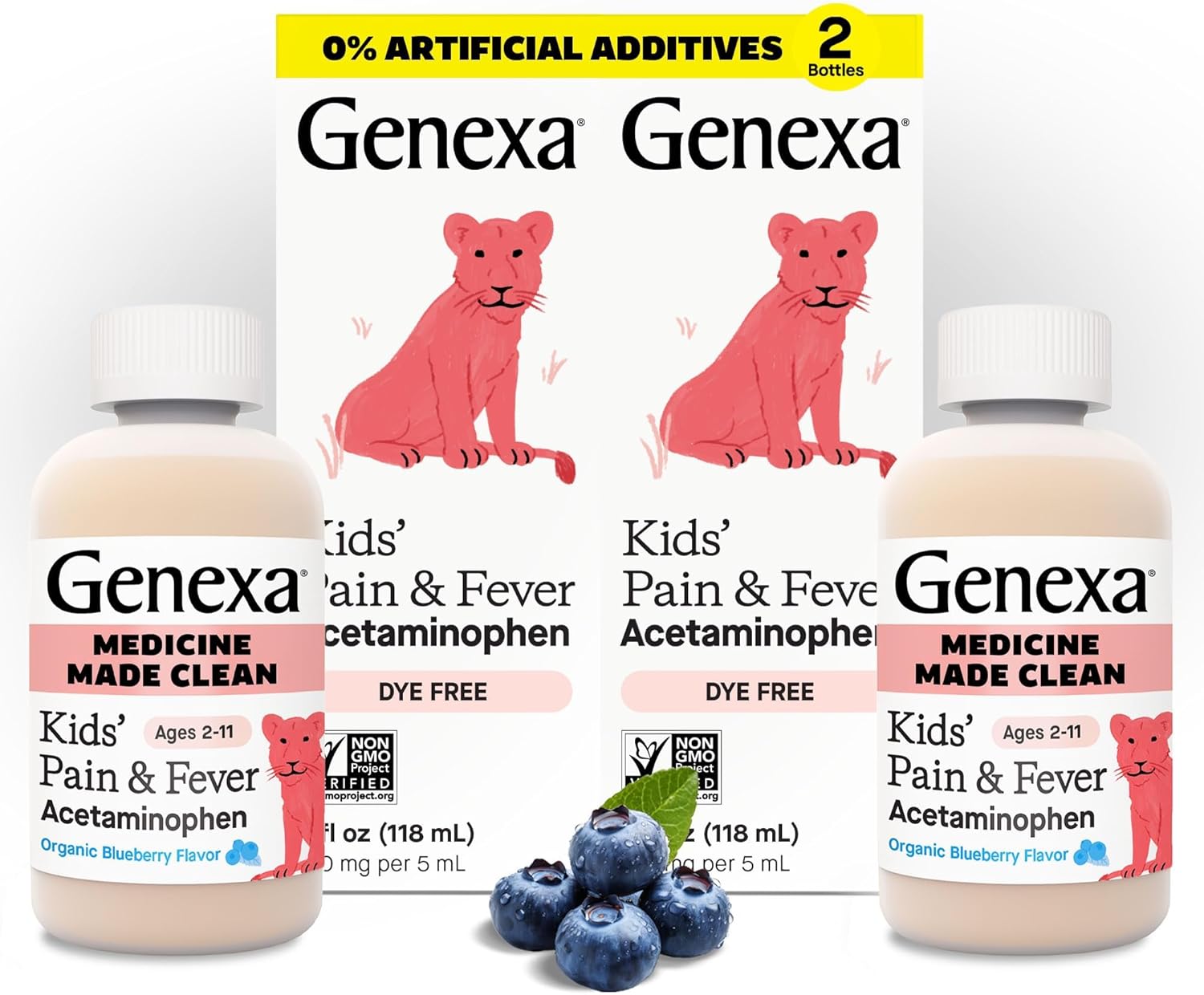
Acetaminophen (Tylenol)
DO NOT give Acetaminophen to infants under 2 months of age
Acetaminophen DOES NOT cause Autism
Children’s vs Infant Acetaminophen is the SAME doing (160mg/5mL)

.
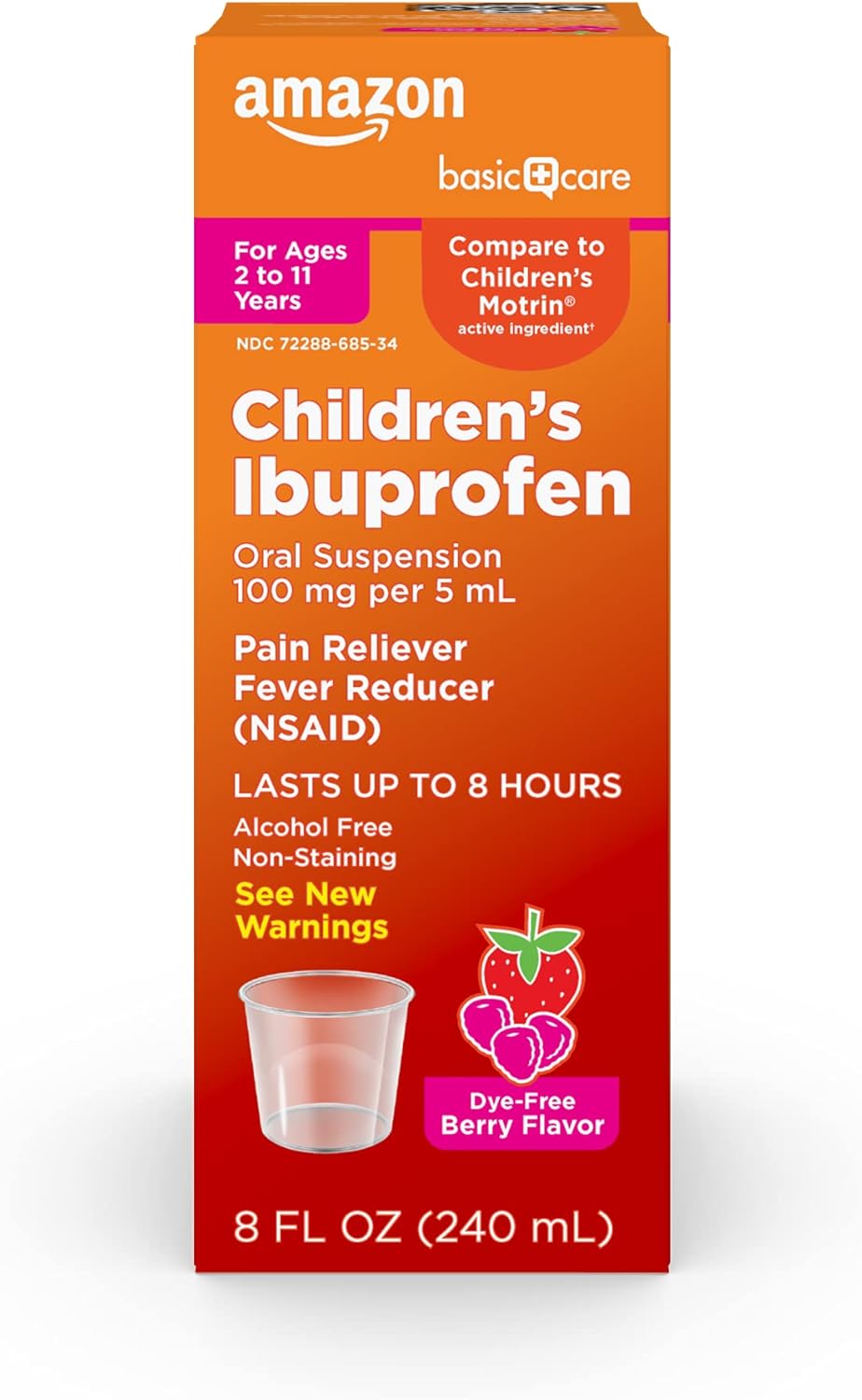
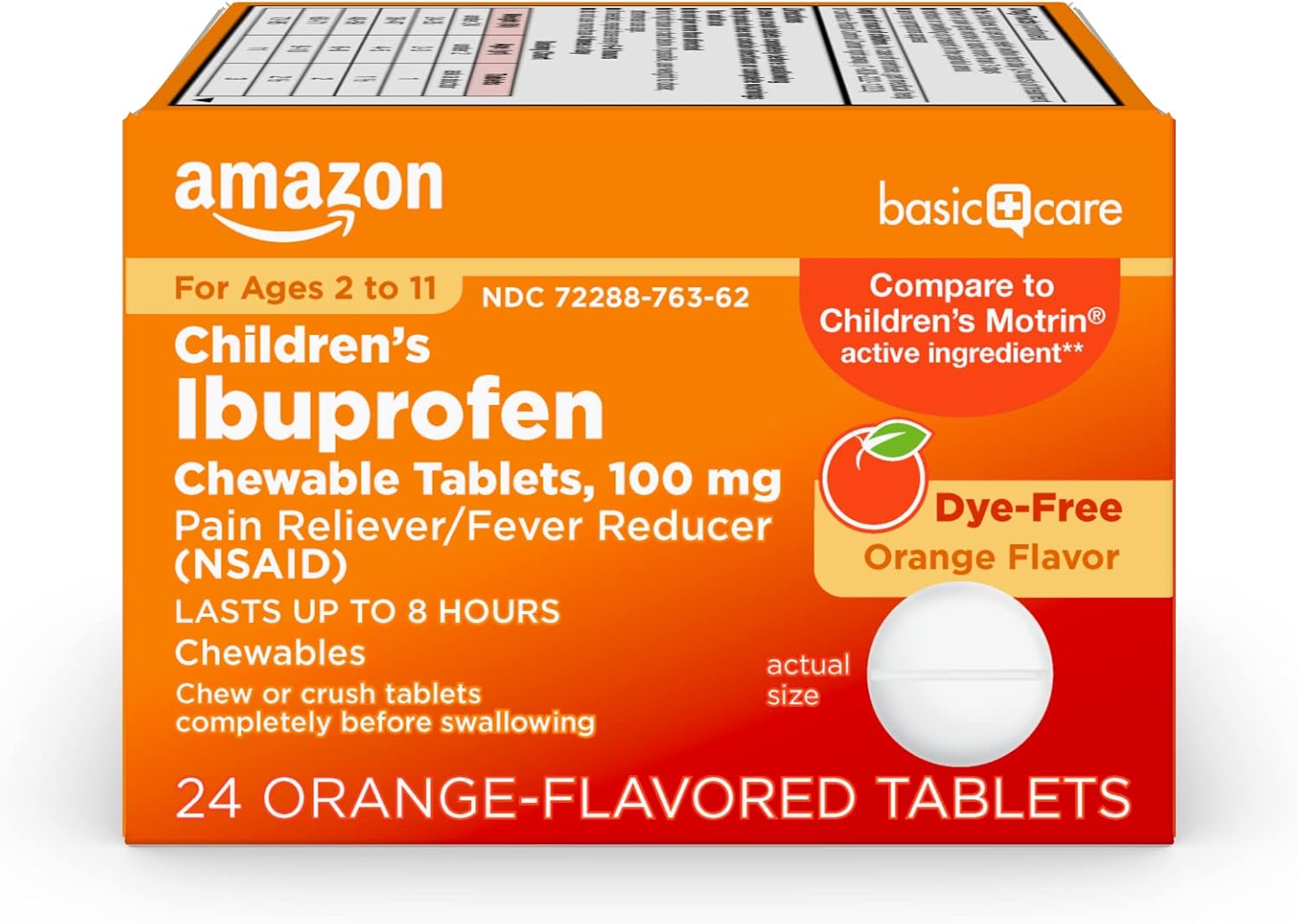
Ibuprofen (Motrin)
DO NOT give Ibuprofen to infants under 6 months of age
ONLY purchase CHILDREN’s IBUPROFEN (Infant ibuprofen may cause dosing errors)

FAQ’s

Helpful Items
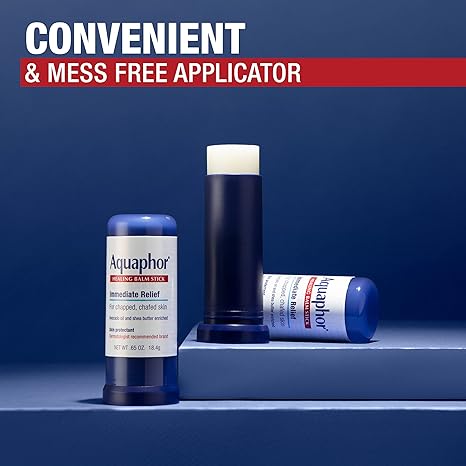
Aquaphor Lotion Stick
My favorite lotion for all ages (including myself)
VITAMIN D
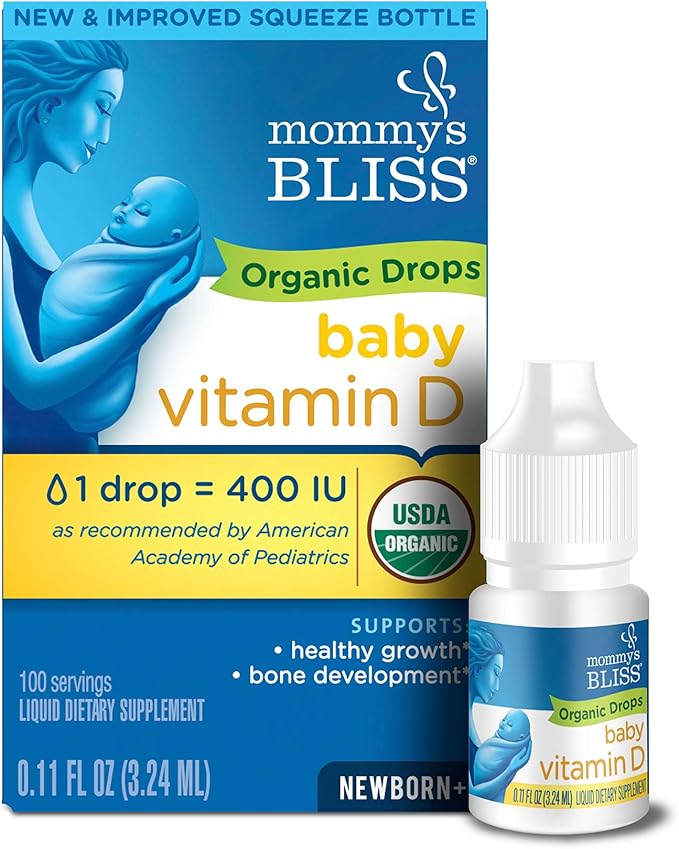
Discuss with your healthcare provider to ensure appropriate dosing for you or your child, which may be different if your child is breastfeeding vs formula feeding, or depending on the time of year and where you live.
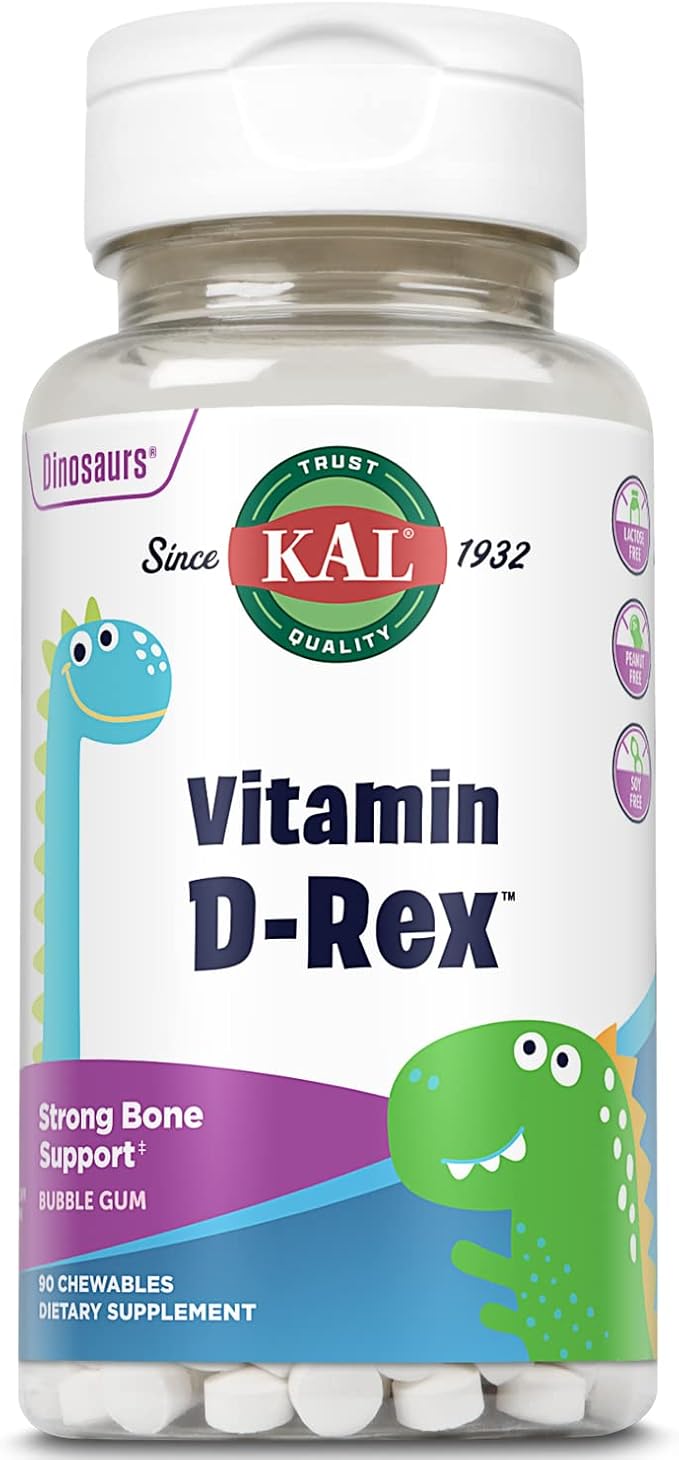
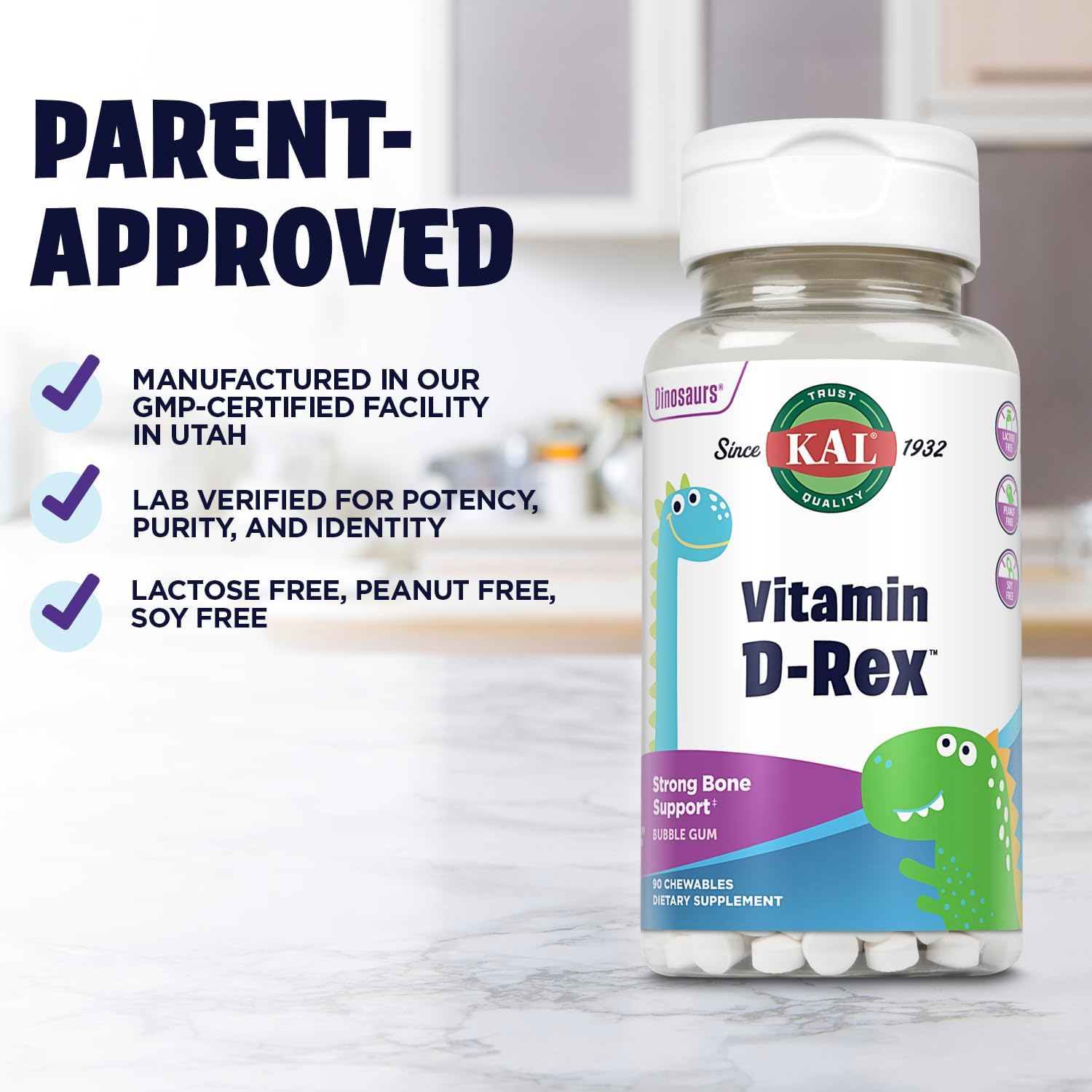
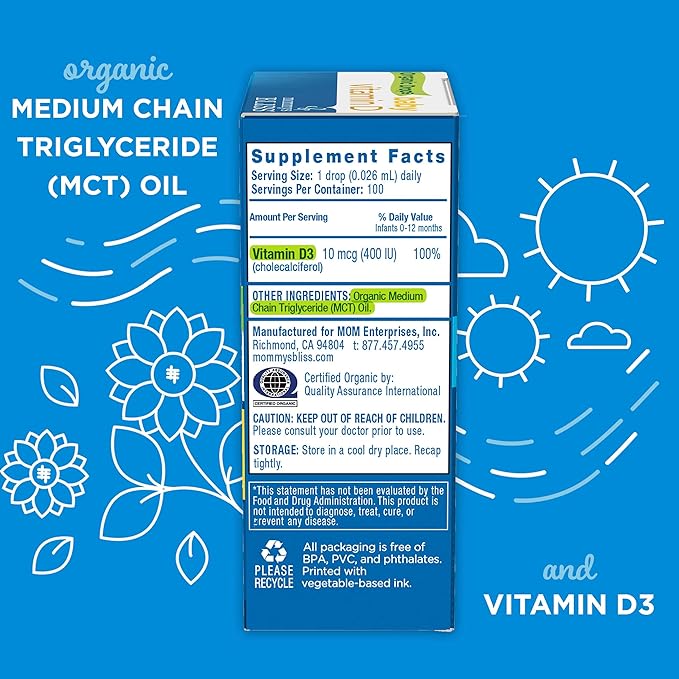
Mommy’s Bliss Vitamin D Drops 400 IU
By far my favorite brand of Vitamin D. Easy to use dropper with about 100 doses per bottle. Suspended in Medium Chain Triglycerides (MCT) which helps with absorption of the Vitamin D.
For healthy infants and children = 1 drop (400 IU)
For healthy older children and adults = 2 drops (800 IU)
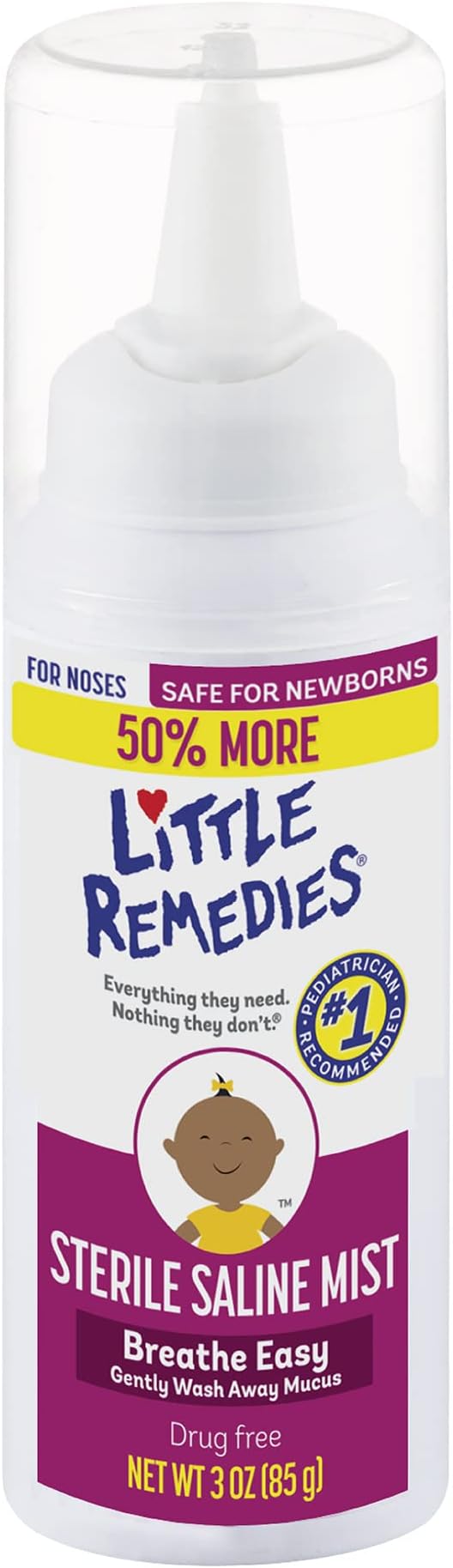
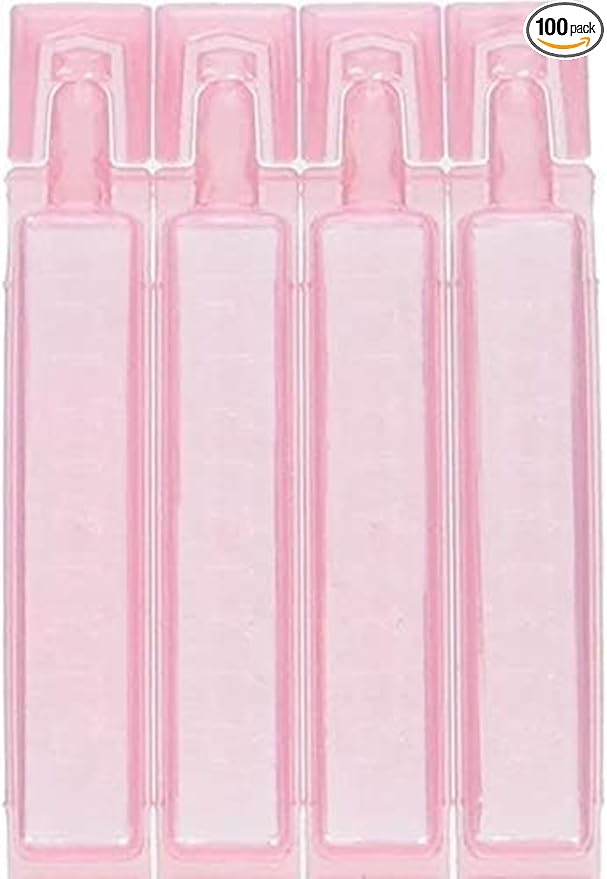
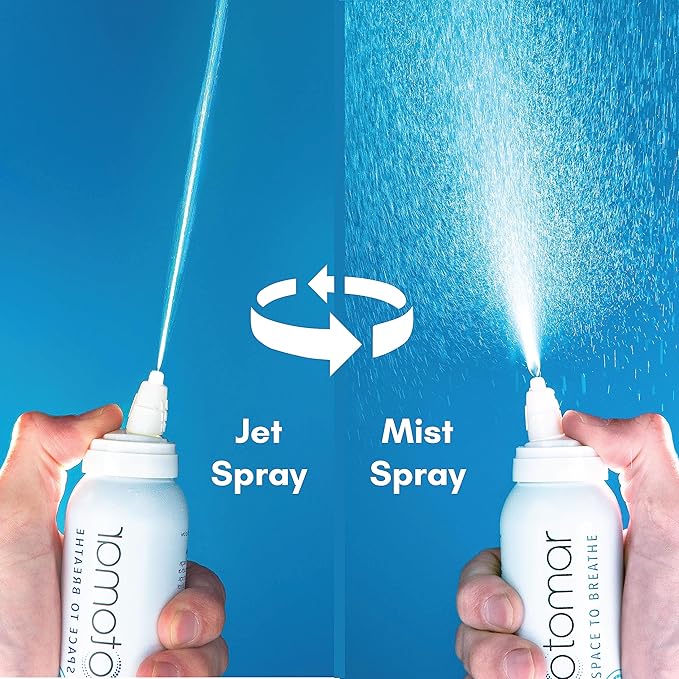
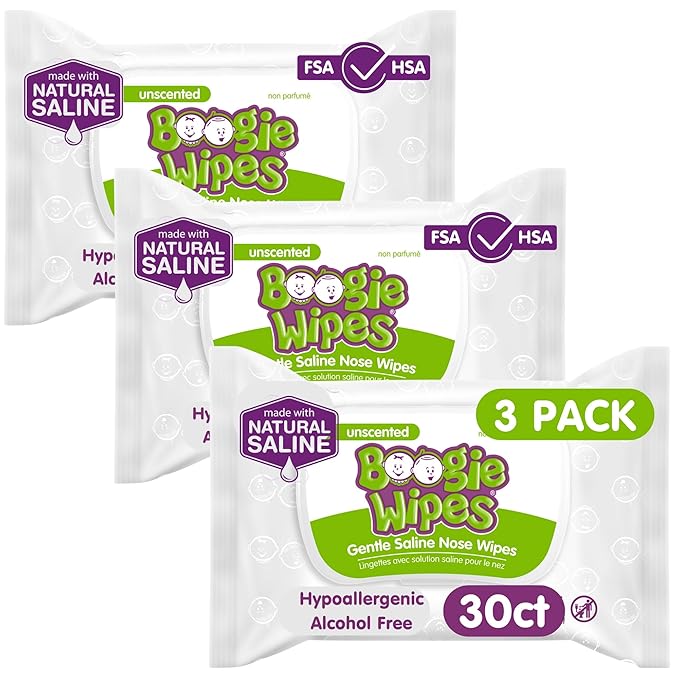
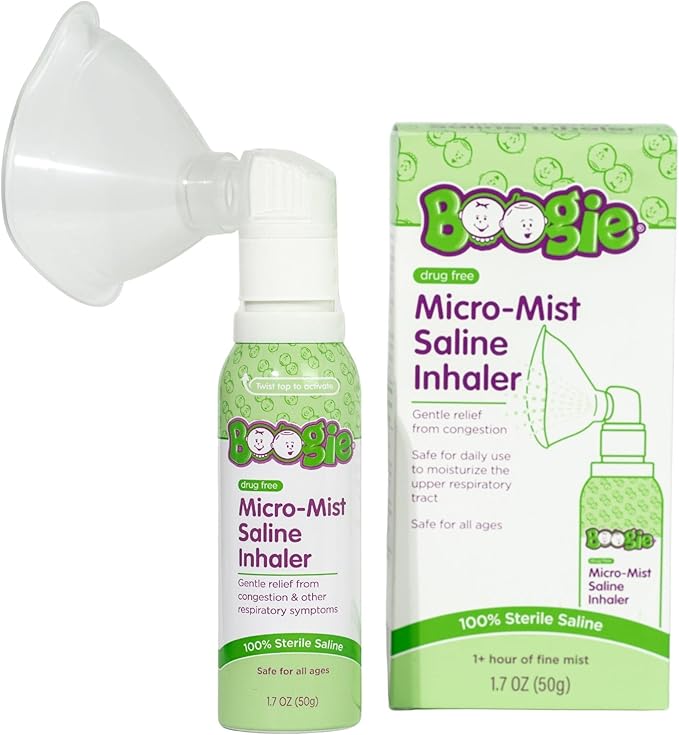
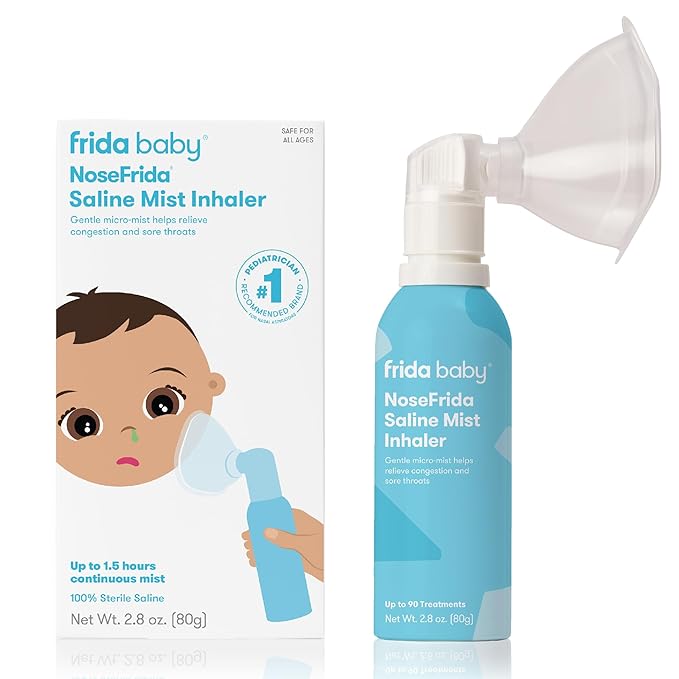
Your go-to for everything! Not just for times when sick, but for dry air, allergies, smoke and pollution, and general hydration of the nasal passageways, and can be used for ALL AGES from infancy to adulthood with a variety of delivery mechanisms. I tested a multiple brands with my kids and wrote all the details in a separate post HERE, but my TOP recommendations are below:


Go Back
What’s Next?

9-11 Years: Pre-teen
Dr. Maxwell’s 9-11 Year Guide for Pre-Teens, including School, Mental Health, Sleep, Puberty, HPV and Vaccine resources, and more!
More coming soon!
Read More
Well-Child Guides
Dr. Maxwell’s age-specific guides with developmental milestones, resources, and recommendations
Mental Health
Dr. Maxwell’s Mental Health Resource Page – ADHD, Therapy, Counseling, Depression, Anxiety, LGBTQ+, and more
Disclaimers: The products, resources, and recommendations do NOT constitute medical advice. You should always speak with your doctor or medical provider for recommendations specific to you and/or your child. Links below may include both Amazon Associate and/or other brand-specific affiliate links. I earn a small percentage from qualifying purchases (at no extra cost to you!) which allows me to continue to keep this site active and provide honest, thorough, and high quality recommendations for you and your family!





 The Pediatrician's Corner
Leave a comment