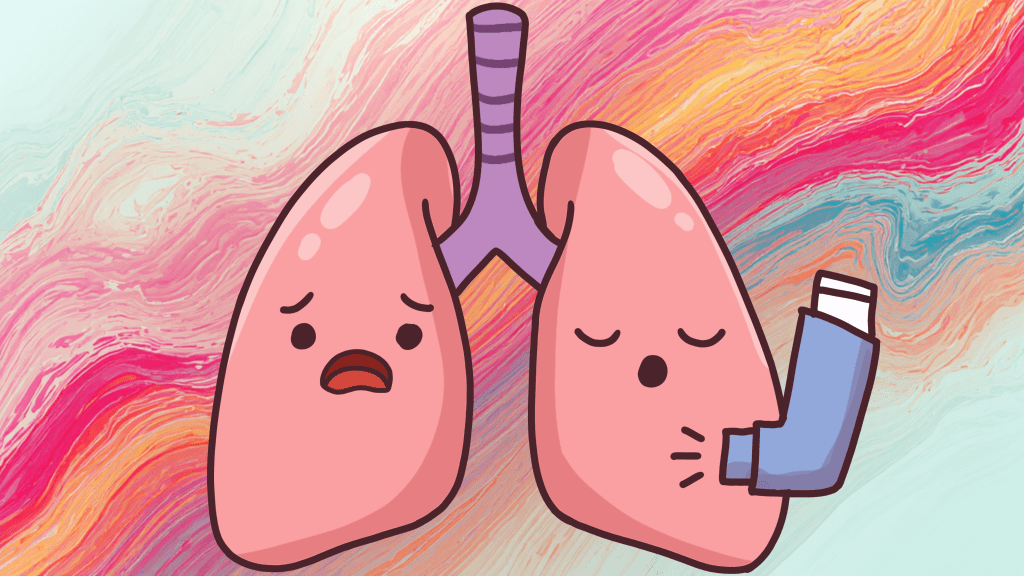
Dr. Maxwell’s ASTHMA GUIDE. Always talk with your doctor to ensure proper diagnosis and an appropriate individual treatment plan specific to your situation. This guide is for education and reference purposes only.
What is Asthma?
Asthma is a disease that attacks the lungs causing inflammation and increased mucus production. This can cause wheezing, difficulty breathing, low oxygen (hypoxia), and can be life-threatening.
Those with asthma often have one or more of the following TRIGGERS:
- Poor air quality/pollution
- Allergens such as dust, pollen, and pet hair
- Perfumes or strong smells
- Smoking
- Exercise
- Stress
The most common SYMPTOMS of asthma include:
- Frequent nighttime cough and awakenings
- Difficulty with exercise or play
- Frequent coughing during the day
In older kids and adults, asthma is usually described as:
- Chest tightness or chest pain
- Trouble breathing, especially exhaling (breathing air out)
- Wheezing sounds
In younger kids, symptoms can be more subtle, including:
- Frequent or prolonged illnesses
- Frequent or prolonged coughing, especially at night
- Coughing when going outside or playing
- Frequent doctor visits for croup or other viral illnesses
To learn more, check out the following from the American Lung Association

Common Treatments
Inhalers, Spacers, and Nebulizers
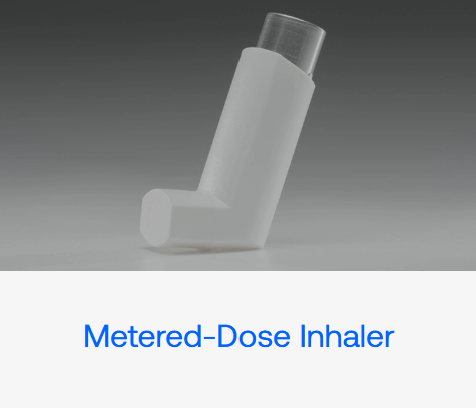
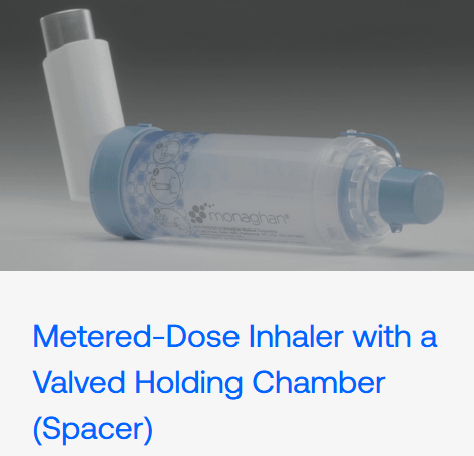
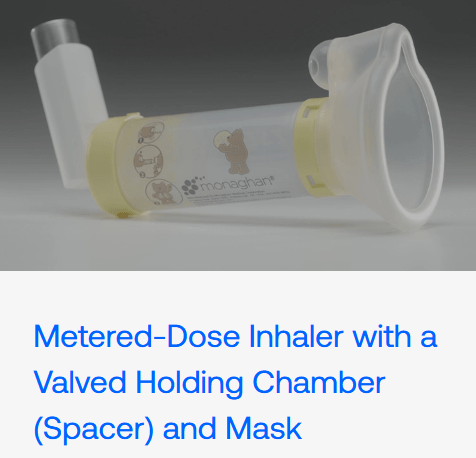
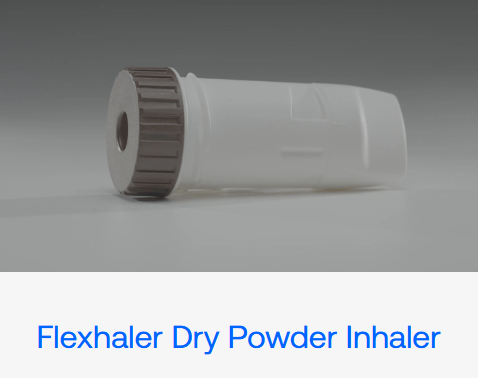
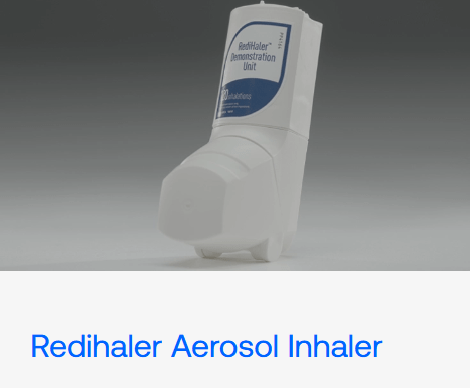
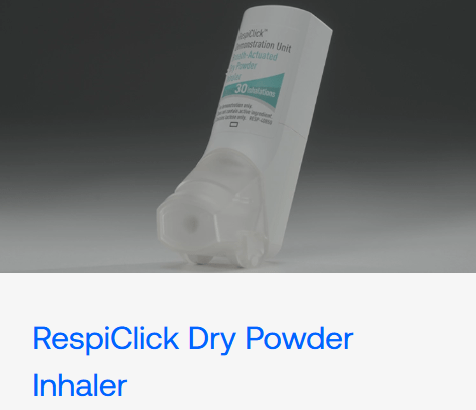
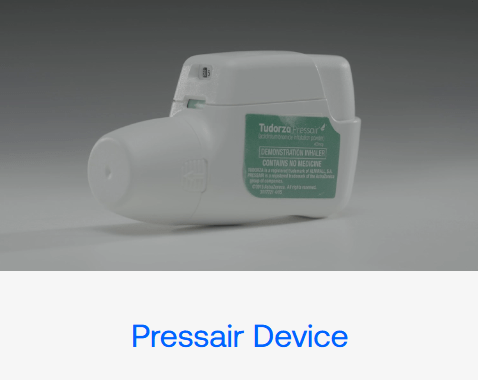
Inhalers come in a variety of shapes, sizes, colors, dosages, and medications. Inhalers must be prescribed by your medical provider. Always ensure you receive appropriate instructions from your doctor and your pharmacist on how to use the specific inhaler(s) that you have been prescribed. Some inhalers are for daily use, others only as needed, and some are for both. , Sometimes generic inhalers can change in color and shape despite being the same medication. But if your inhaler looks different than what was previously prescribed, be sure to ask and make sure it has the same instructions and dose as before. Also ensure it fits your spacer chamber, if appropriate.
The American Lung Association has an excellent guide dedicated to How to Use Asthma Medicine Devices which I am also including below:
Over the Counter Spacers and Nebulizers
In most cases, a spacer or nebulizer can be prescribed and covered by insurance. However, if you are unable to obtain one of these devices through insurance, you can consider purchasing over the counter. Always speak with your doctor or pharmacist to ensure safety, quality, and compatibility of these devices with the inhaler that you have been prescribed.
Typically for most people, and especially kids, you should be sure to purchase a dual valve spacer that allows for both breathing in and breathing out back and forth through the spacer which reduces the need to coordinate breaths.
Here are some examples that you can try, or use for comparison to find something similar:
SPACERS
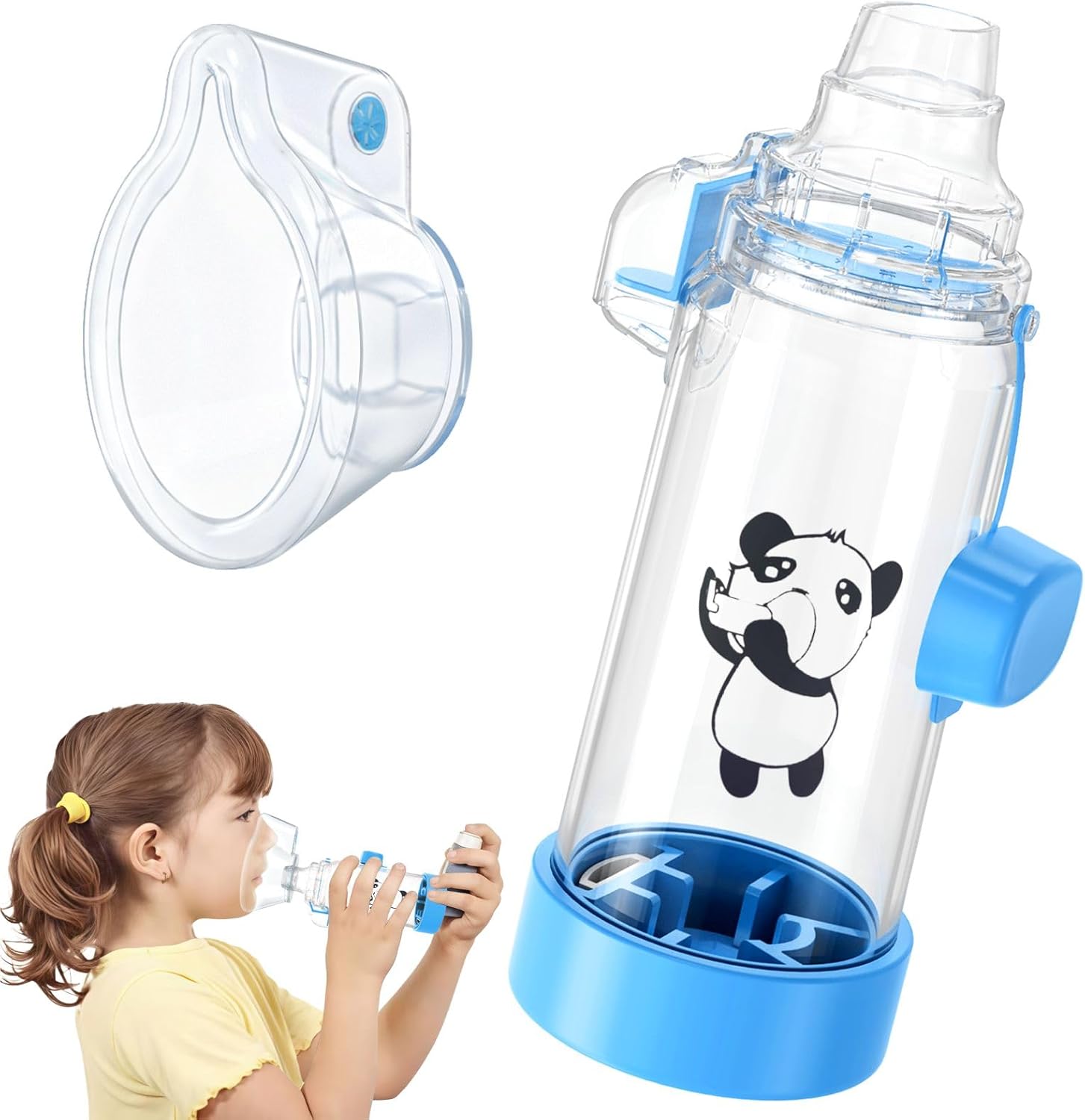
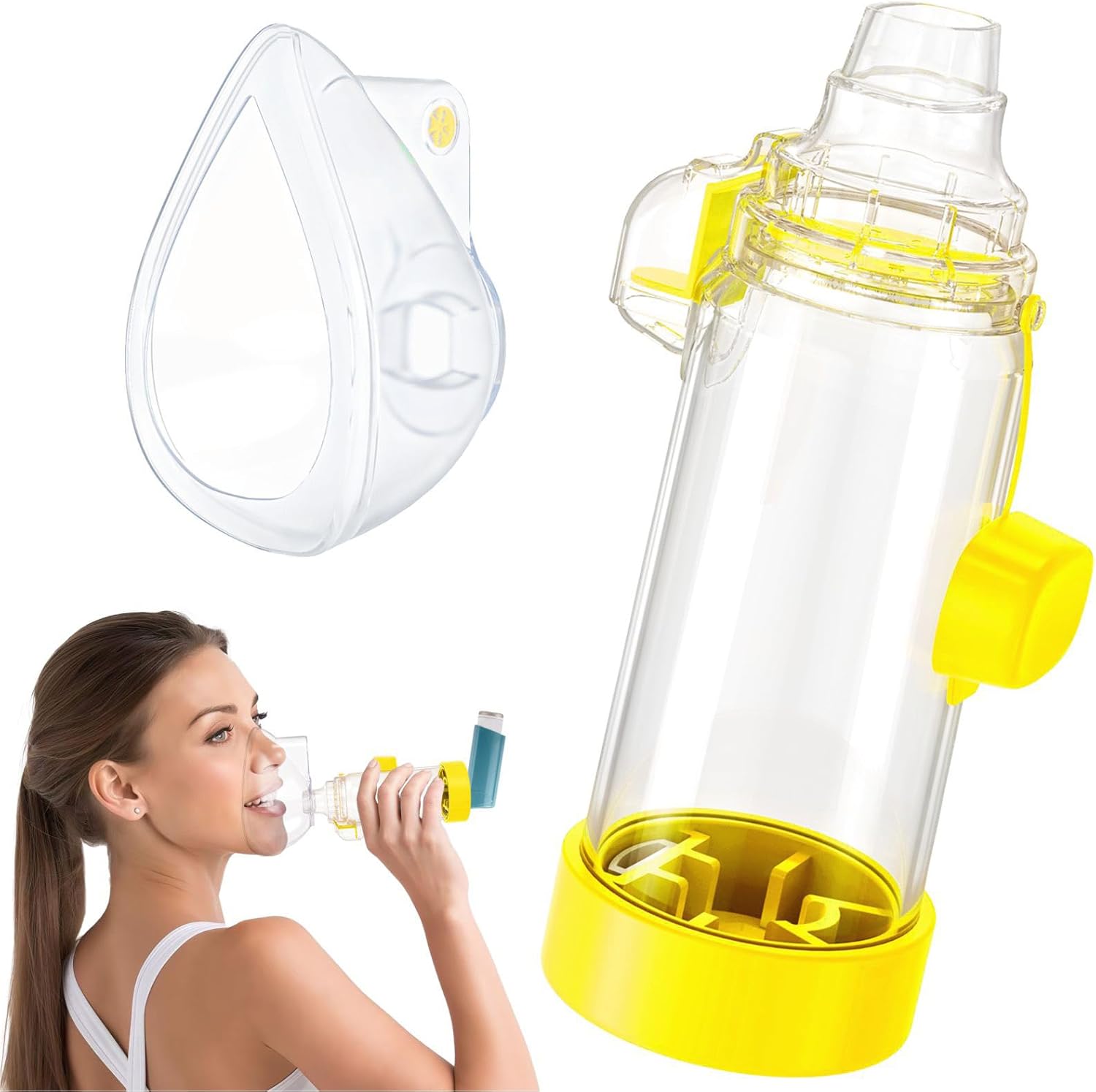
Spacer for Adults and Kids
Dual valve spacer, multiple color options, and mask for younger kids which can be removed for older kids and adults

NEBULIZERS
Portable Nebulizer
Ensure compatibility with the medication you have been prescribed. Can typically be used for liquid solution medication prescribed for nebulizer use. Can also be used with saline solution.

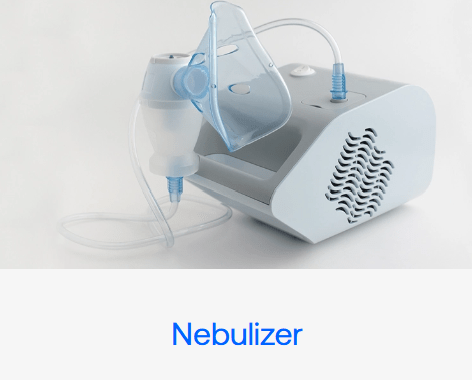
Nebulizer
Ensure compatibility with the medication you have been prescribed. Higher quality machines are likely available at your pharmacy or by prescription.

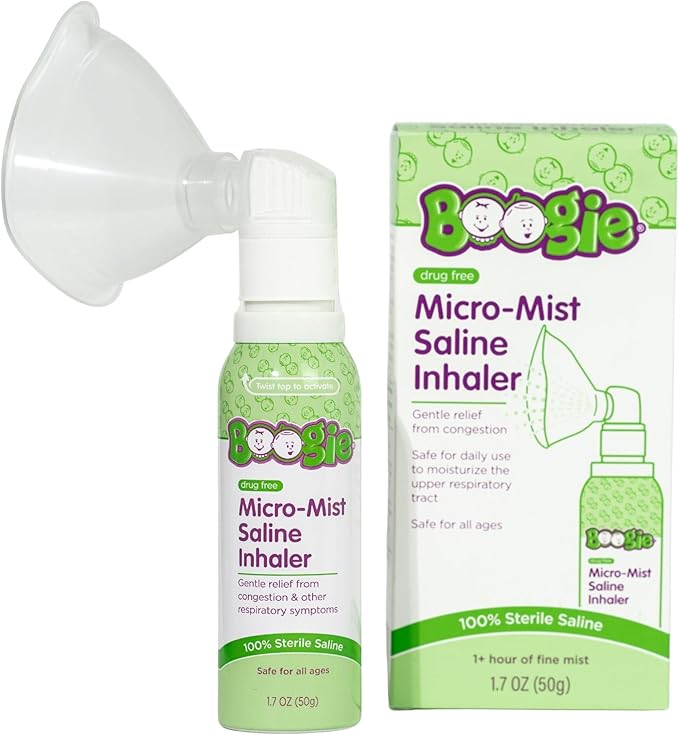
Misthaler
Frida and Boogie Brands
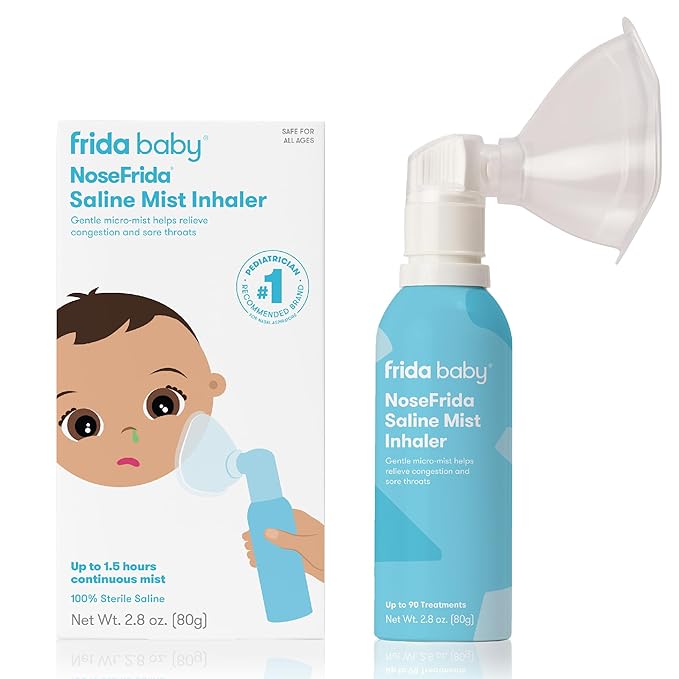
Saline Solution for Nebulizer
Ensure compatibility with the medication you have been prescribed. Can typically be used for liquid solution medication prescribed for nebulizer use. Can also be used with saline solution.

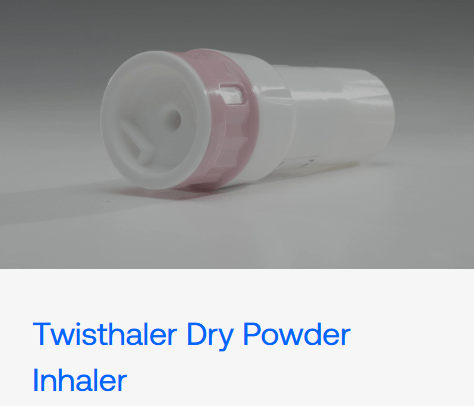
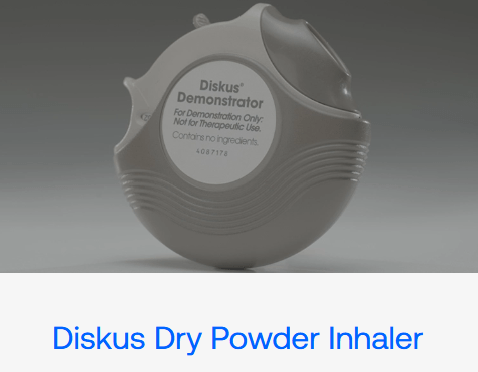
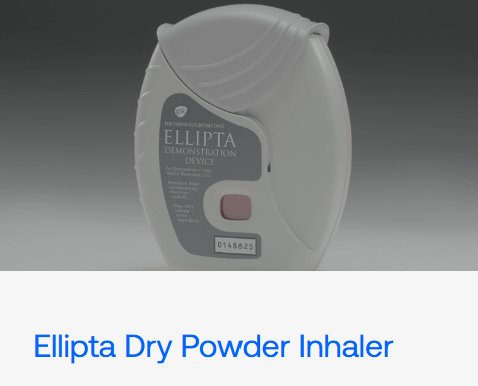
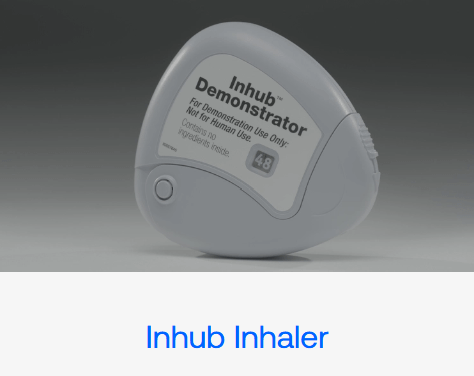
Other Inhaler Types
Common Triggers
Always follow the instructions from your doctor on specific treatments for your specific asthma triggers. Therefore, it is important to identify these specific triggers and have a treatment plan. In general, if your triggers cause an asthma flare, even if mild, it is important to begin your asthma-specific treatments, such as your prescribed albuterol inhaler or nebulizer, soon as possible plus other symptom management.
For a more comprehensive guide about asthma triggers, check out THIS ARTICLE written by the Asthma and Allergy Foundation of America.
Colds, Illnesses, Change of Weather
Cold Symptoms and Viral Illnesses: Home Remedies and Treatments
Dr. Maxwell’s Cold Symptoms and Viral Illnesses Home Treatment Guide
Keep Reading
Exercise
Exercise can include gym class, sports, going to the playground, or even just walking up stairs. Therefore it is important to carry your inhaler if exercise triggers your asthma. It is extremely important to notify the school, gym teachers, and coaches of your child’s asthma, educate them on symptoms to watch for, and ensure they allow your child to use their inhaler as needed. Schools and coaches will often need permission to allow for inhaler use and will often accept an Asthma Action Plan such as this:

Allergies
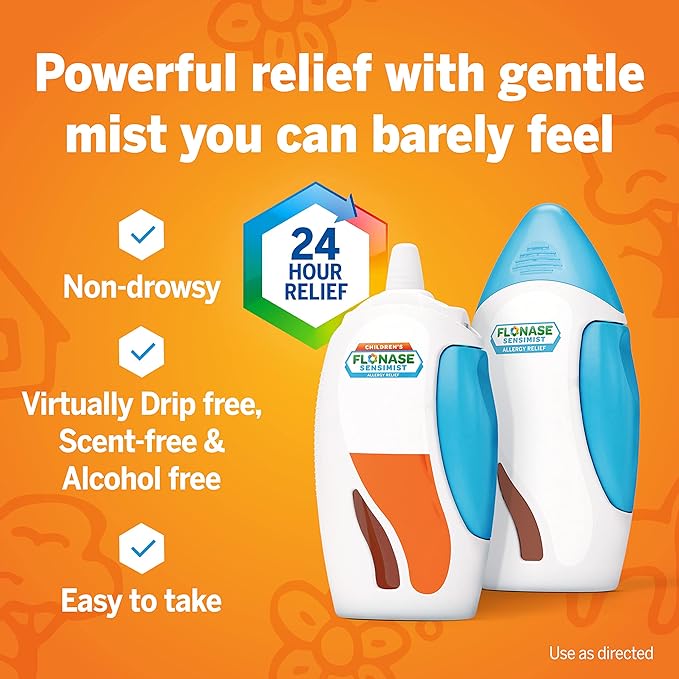
Flonase SensiMist
Talk with your child’s doctor BEFORE using to make sure it is the best treatment for their symptoms. If appropriate, this is the ONLY nasal spray of it’s kind, both in it’s simple delivery mechanism and FDA approval for kids 2 and up. It’s super easy to spray with a side button, rather than a spring-based top spray. These are all available over-the-counter.
The ONLY difference in the Children’s SensiMist and the Adult SensiMist is the COLOR and labeling. It is the exact same dose of medication, exact same spray mechanism, and both are scent-free.

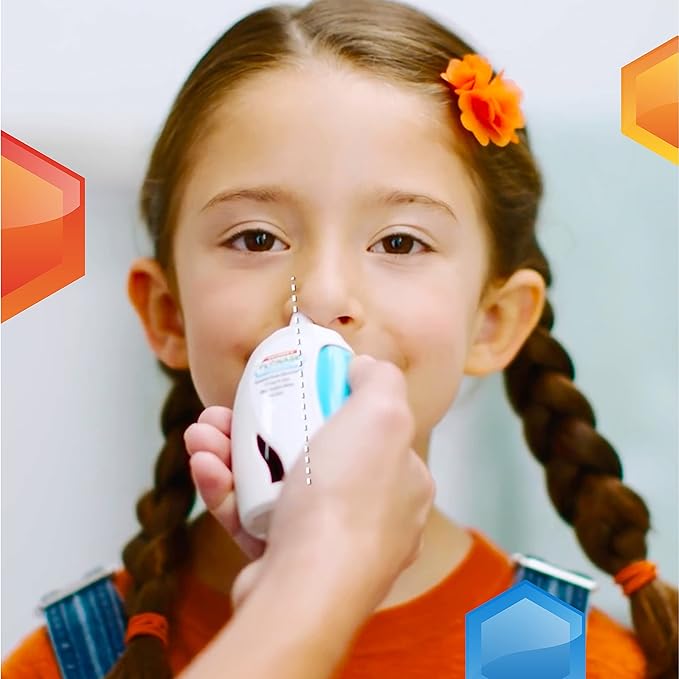
Check out my VIDEO comparing the different types of spray which can be found on all platforms. If you find it helpful, please share, like, and subscribe/follow to my channels!
For 12 years and up (Including Grownups!)
Again, talk with your doctor BEFORE using these products to ensure appropriate use for symptoms. This is the more common Flonase/Fluticasone, with various options listed.
Aller-Flow (Kirtland) – Cheapest for purchasing in Bulk
Generic Fluticasone Propionate (Pack of 5)

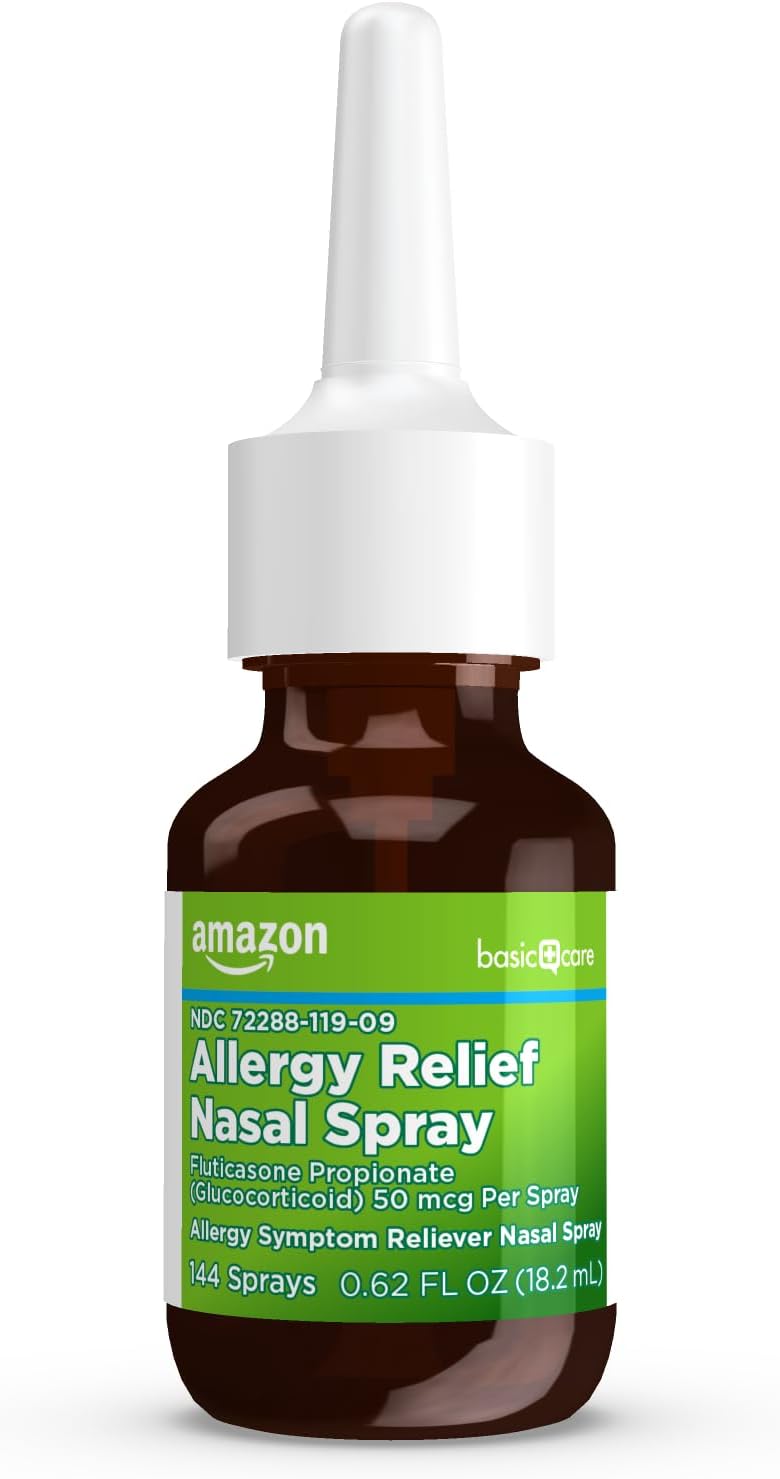
Amazon Basics – Cheapest per bottle
Generic Fluticasone Propionate, Amazon basics brand
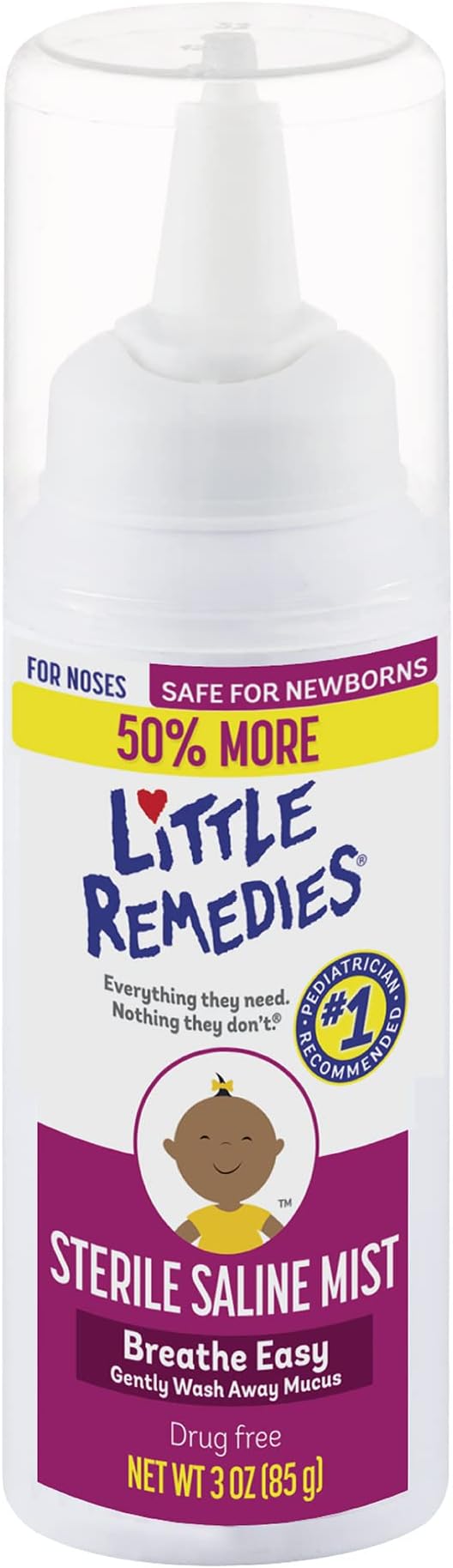
Nasal Saline
Nasal Saline is your go-to for everything! Not just for times when sick, but for dry air, allergies, smoke and pollution, and general hydration of the nasal passageways, and can be used for ALL AGES from infancy to adulthood. I tested a multiple brands with my kids in this post:

Otherwise, here are my favorite nasal saline options:


Asthma Action Plan / Meds at School
Your doctor should provide an Asthma Action Plan and update it every year. Schools, Daycares, Coaches, etc. may require their own version or additional Meds at School forms to be signed by your doctor. Be sure to speak with the school to confirm what is needed and how to provide your child with the appropriate medication they need to treat their asthma while at school
Additional Resources
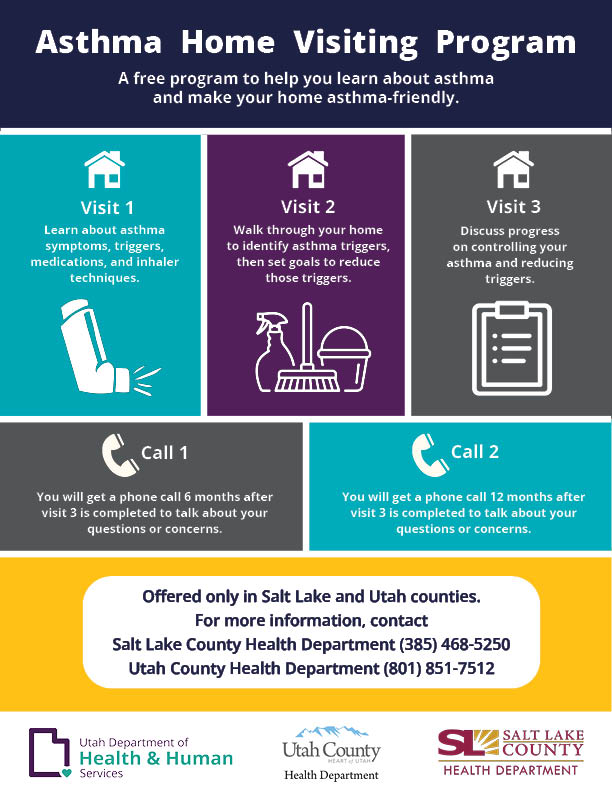
Home Visiting Program (Utah)
Similar programs likely exist in other states. Check with your local health department to see what resources may be available
American Lung Association Virtual Assessment



When to See Your Doctor
At any point in your child’s illness, you should never hesitate to call and schedule an appointment with your child’s doctor. They can perform a full exam, check their ears, listen to their lungs, and give you specific treatment advice and prescribe medications if needed.
If your child is having difficulty breathing, worsening or persistent fever over 5 days, inability to eat or drink, then you should take your child to the nearest hospital or emergency department, or call 911.







 The Pediatrician's Corner
Leave a comment