Dr. Maxwell’s Cold Symptoms and Viral Illnesses Home Treatment Guide. Always talk with your doctor before starting any of the following treatments to ensure appropriate diagnosis and dosing. This guide is for education and reference purposes only.
What is a Cold?
A cold is usually caused by a viral illness. Common symptoms are runny nose and congestion, cough, fevers, and/or body aches. Doctors usually call this a Viral Upper Respiratory Tract Infection, or Viral URI.
For more information about Viruses and Viral Illnesses, visit: ViralIllnesses
At-home Treatments
Over the counter (OTC) home treatments and remedies
Fever and Discomfort
Fever alone does not necessarily need to be treated. Fever is just one sign that your child may be sick. You may not even need to give medicine for just a fever. If your child is playful, happy, eating, and staying hydrated, you can likely let the fever run its course. However, often with a fever, kids feel uncomfortable and fussy. In this case, medicine should be used to help them feel better, not just to break the fever. Also, if your child is uncomfortable and fussy without a fever, it is still ok to use medicine to help them feel better. Medications most commonly used are Acetaminophen (Tylenol) and Ibuprofen (Motrin).
It’s important to check with your doctor if you are concerned about a possible bacterial infection such as pneumonia, ear infection, or UTI. Early viral testing can also help direct management and can be performed in most doctor offices.
DO NOT give Ibuprofen to infants under 6 months of age
DO NOT give Acetaminophen to infants under 2 months of age
(unless directed by your doctor)
A FEVER IN A NEWBORN IS AN EMERGENCY AND SHOULD BE EVALUATED IMMEDIATELY up until about 1 month of age. A rectal temperature is the most accurate measurement.
See below for a dosing reference guide, but always confirm dosing and weight with your doctor.
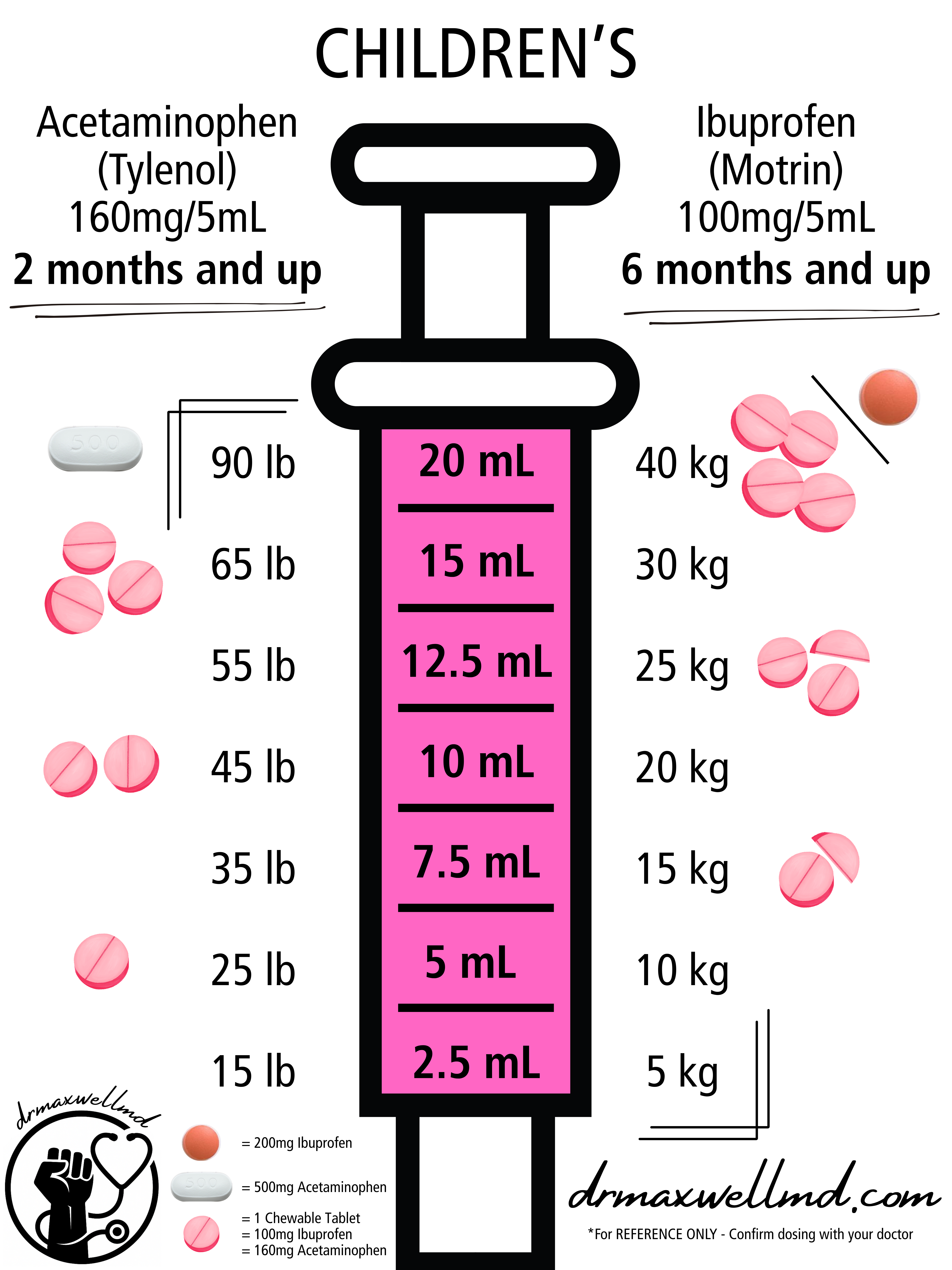
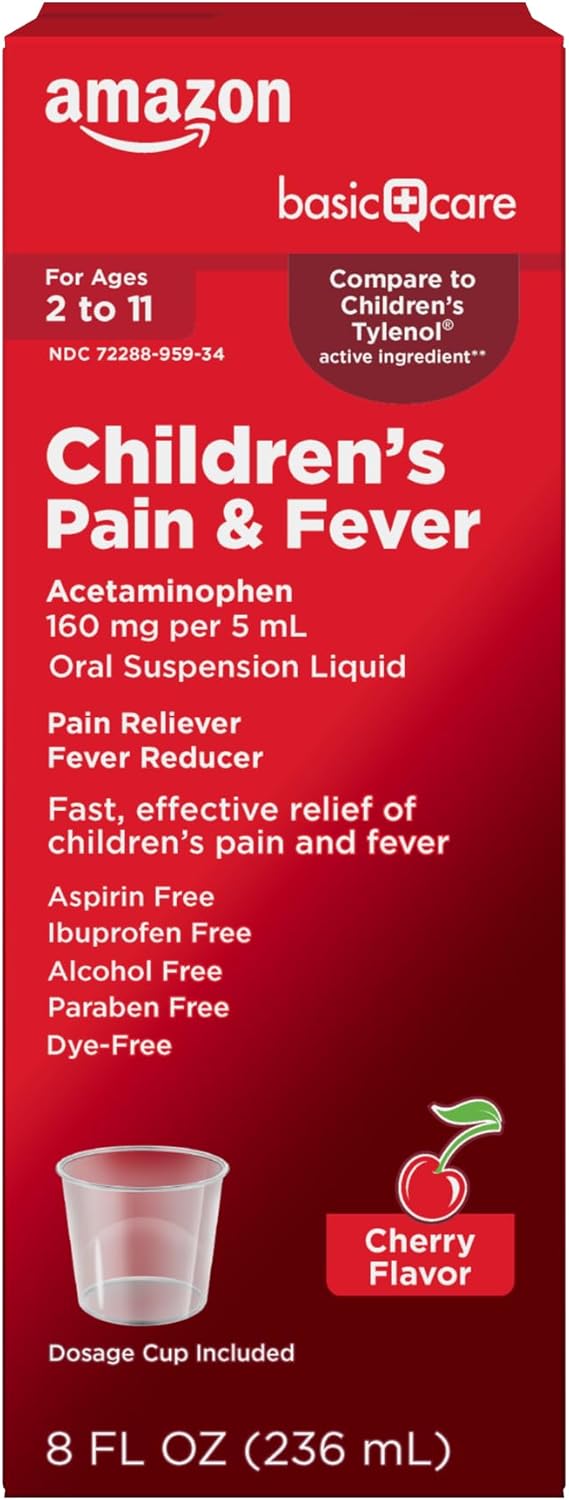
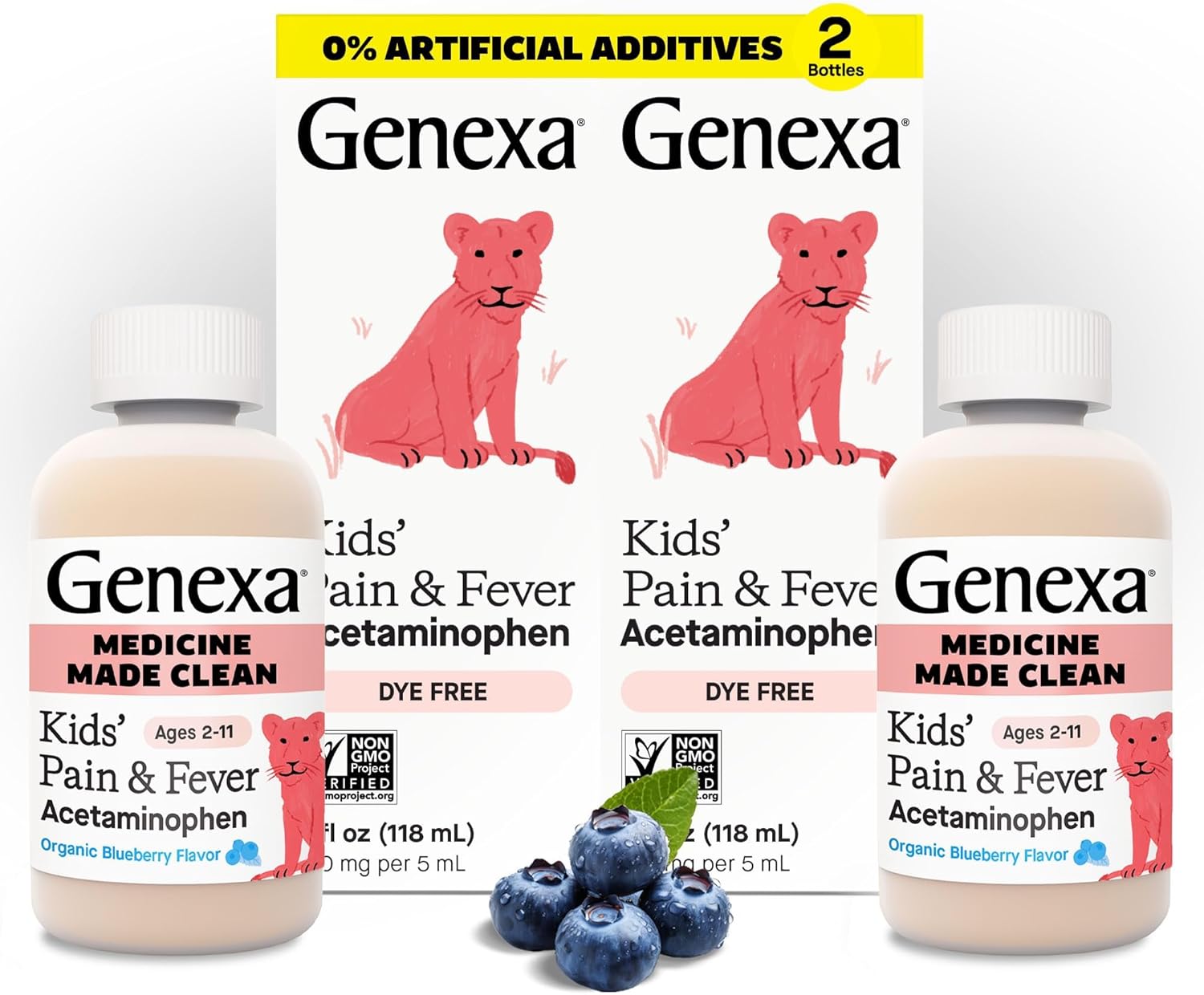
Acetaminophen (Tylenol)
DO NOT give Acetaminophen to infants under 2 months of age
Acetaminophen DOES NOT cause Autism
Children’s vs Infant Acetaminophen is the SAME doing (160mg/5mL)

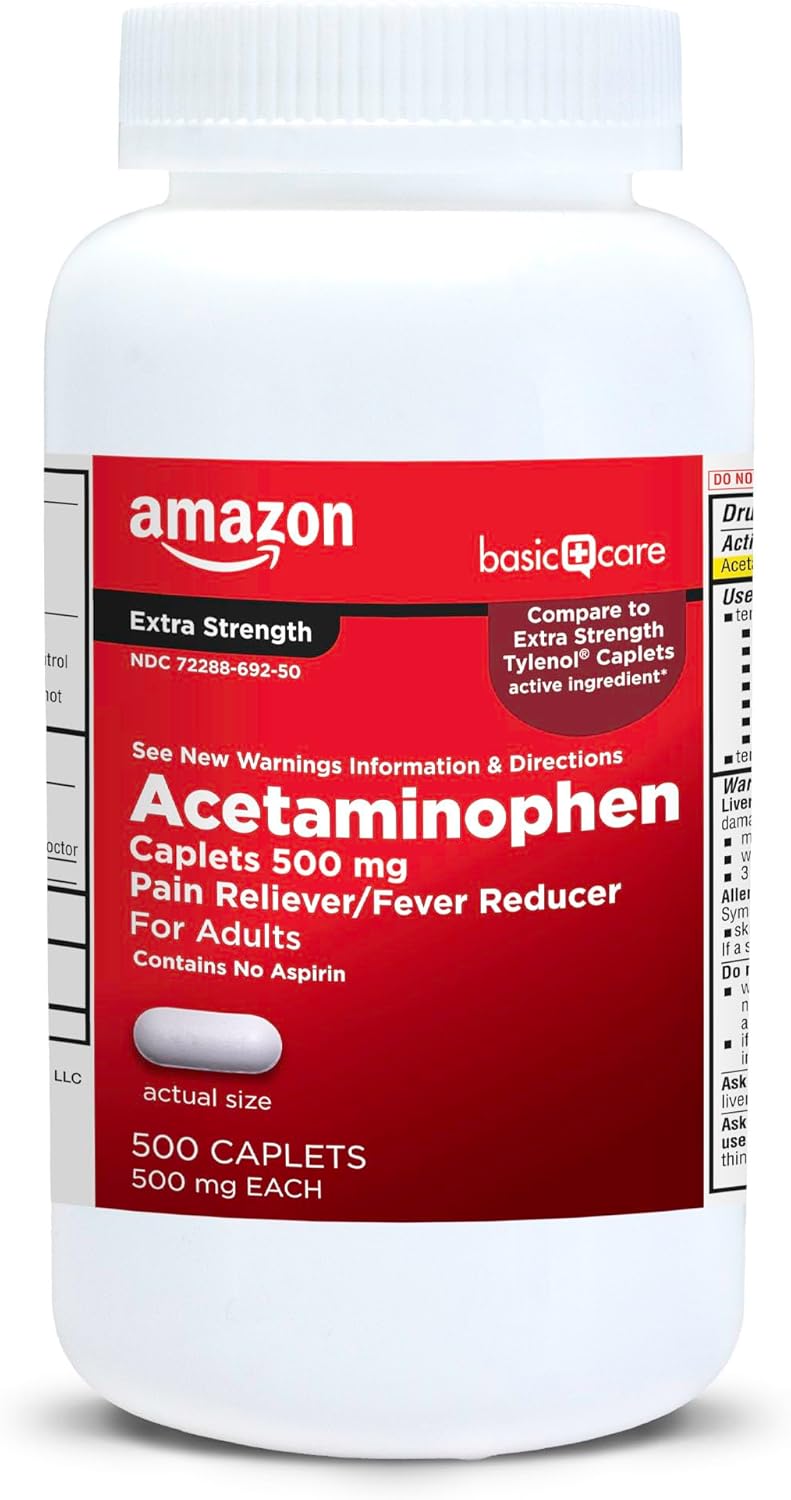
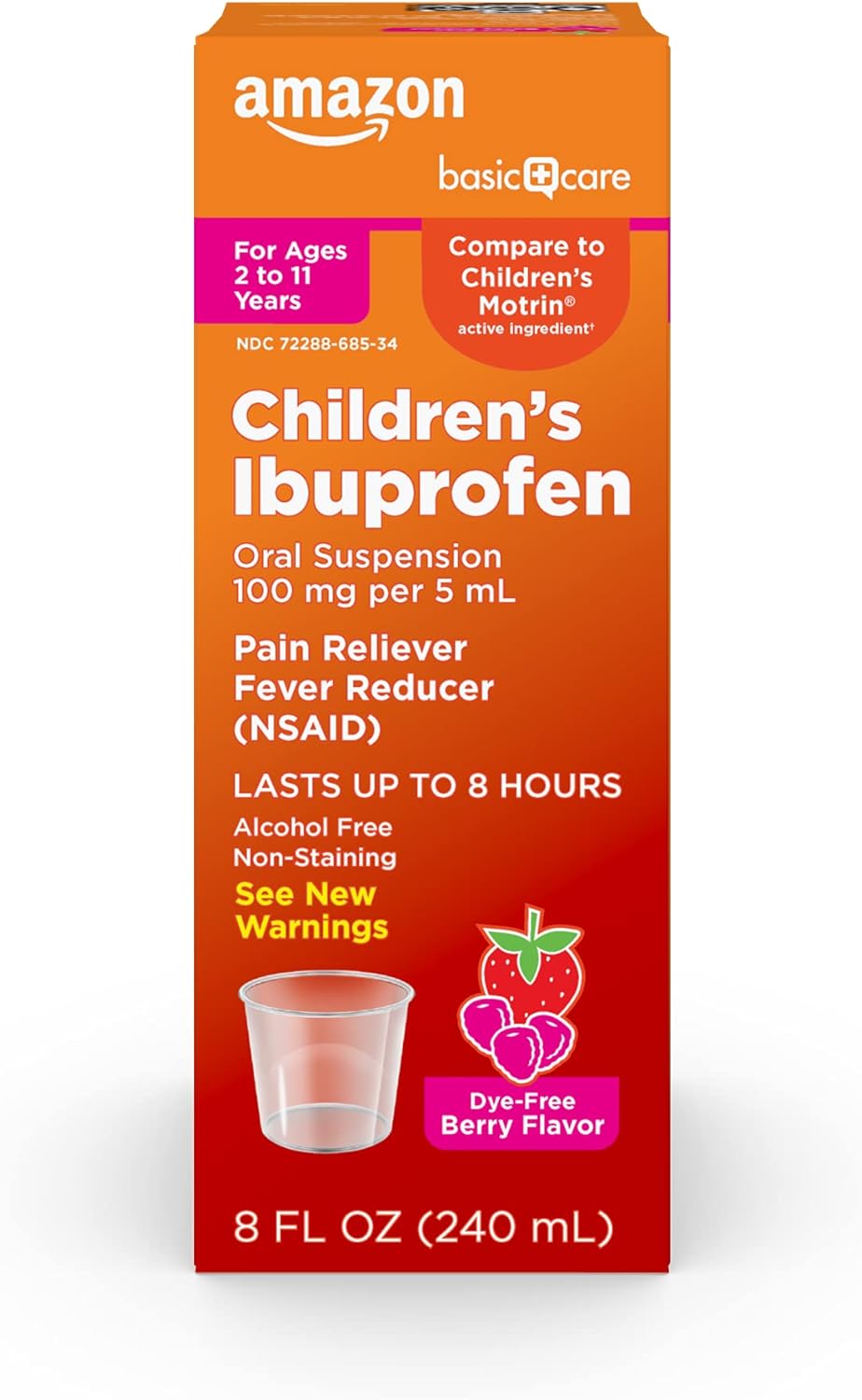
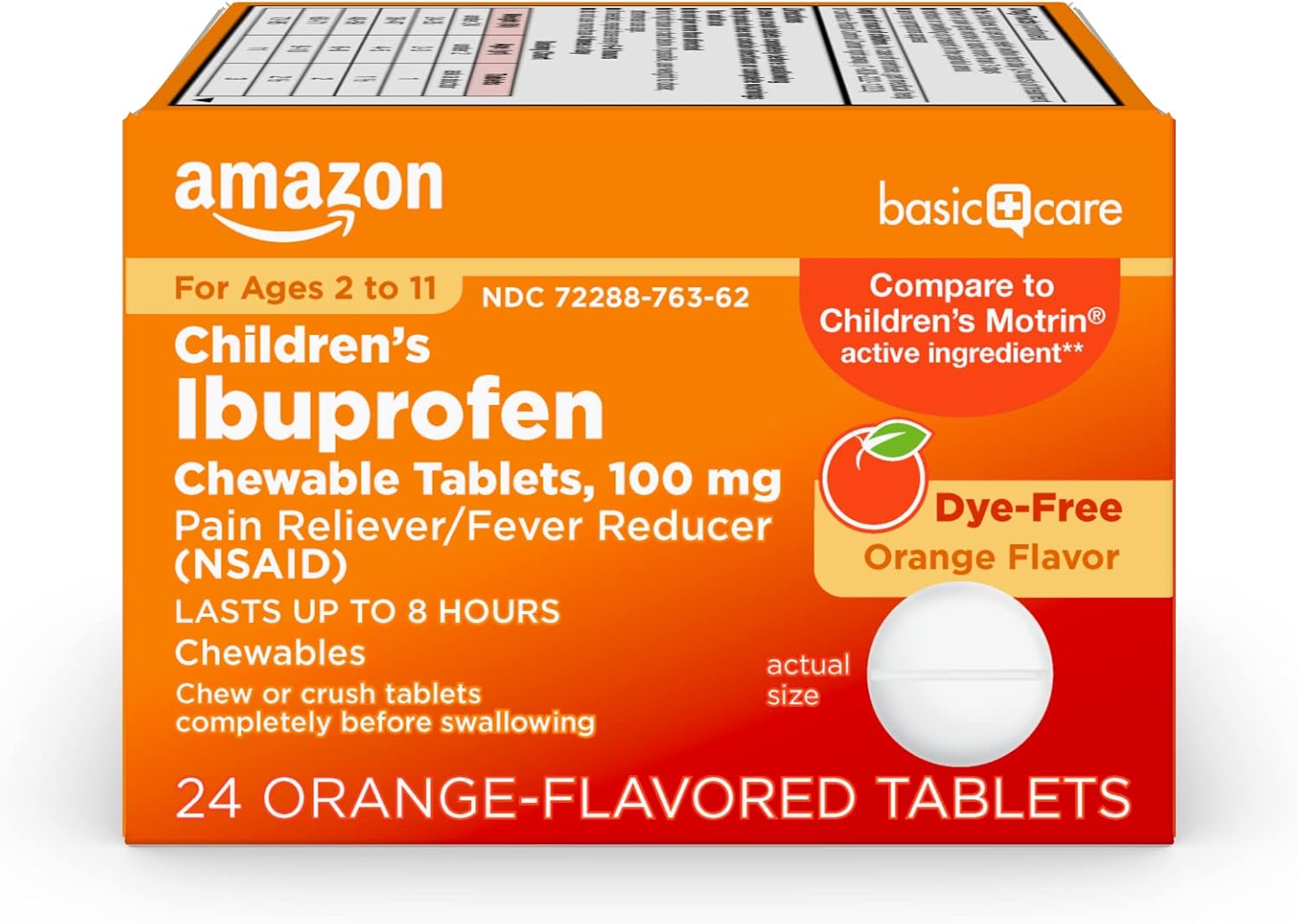
Ibuprofen (Motrin)
DO NOT give Ibuprofen to infants under 6 months of age
ONLY purchase CHILDREN’s IBUPROFEN (Infant ibuprofen may cause dosing errors)

Runny Nose and Congestion
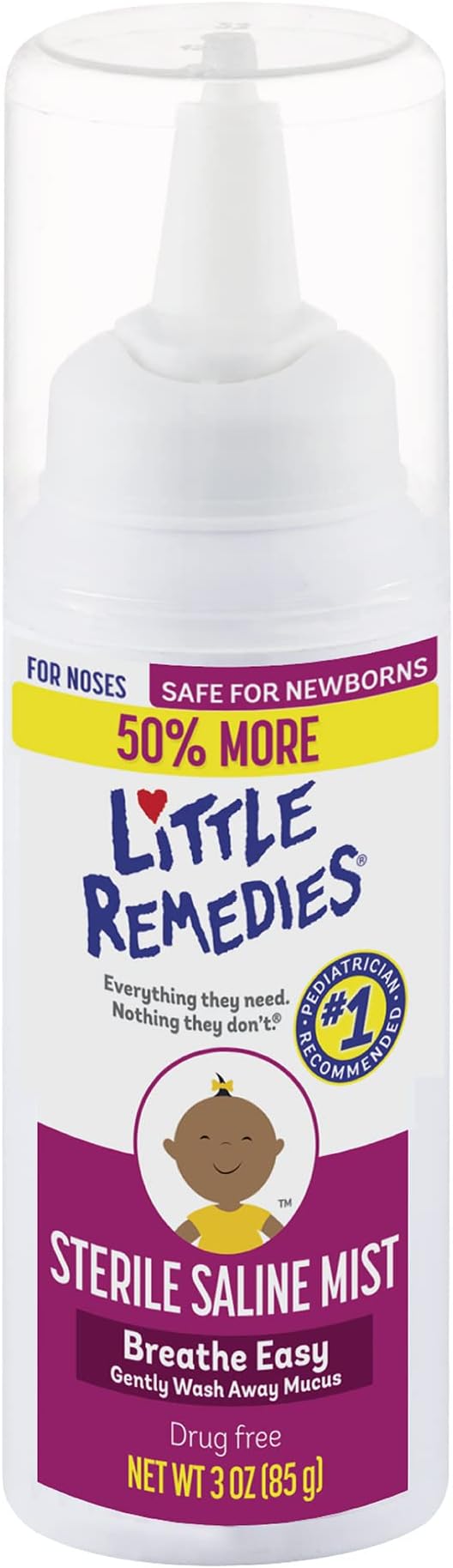
Nasal Saline is your go-to for everything! Not just for times when sick, but for dry air, allergies, smoke and pollution, and general hydration of the nasal passageways, and can be used for ALL AGES from infancy to adulthood. I tested a multiple brands with my kids in a this post:

Otherwise, here are my favorite nasal saline options:


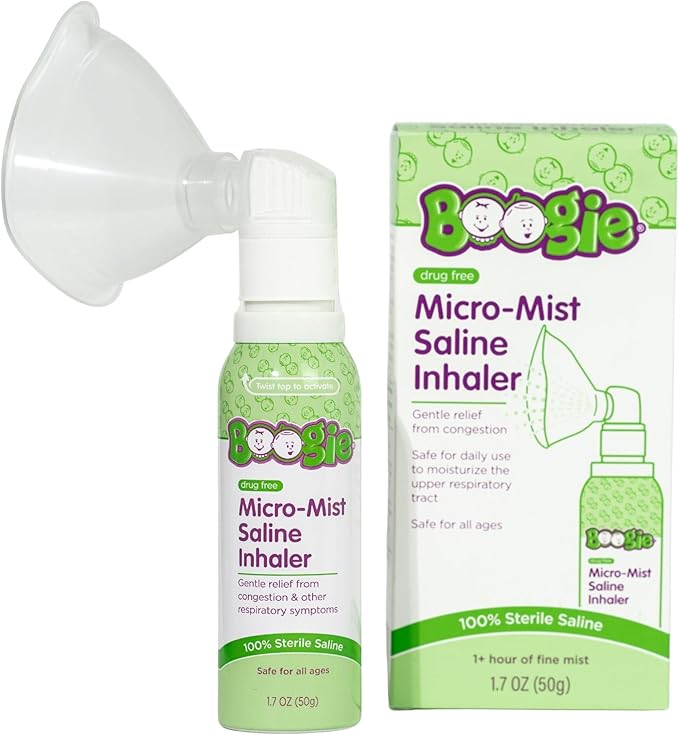
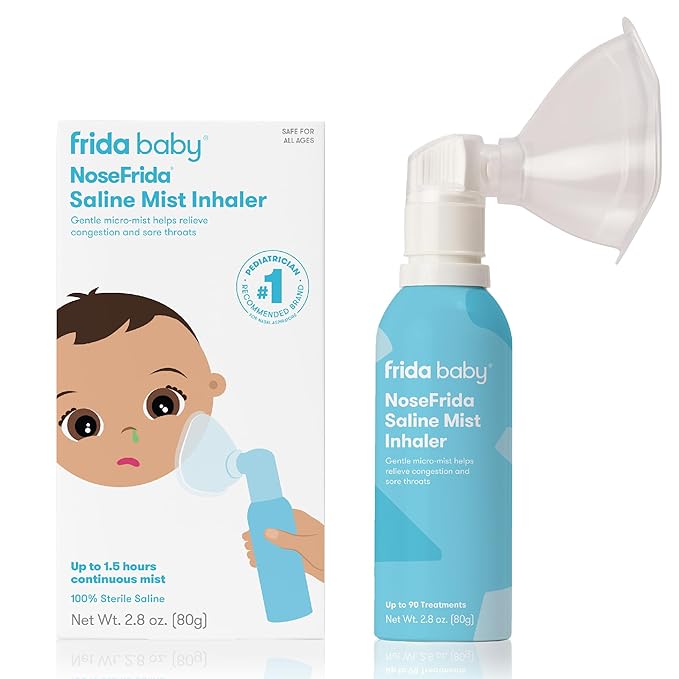
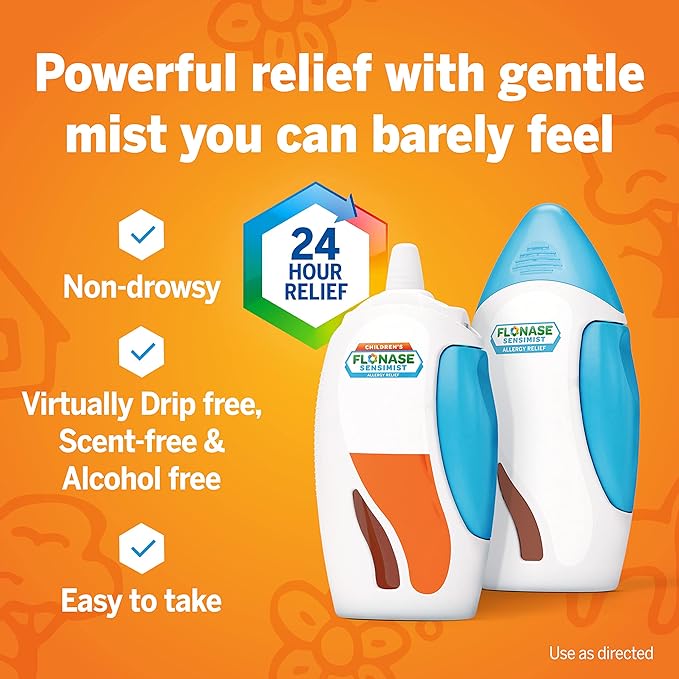
Flonase SensiMist
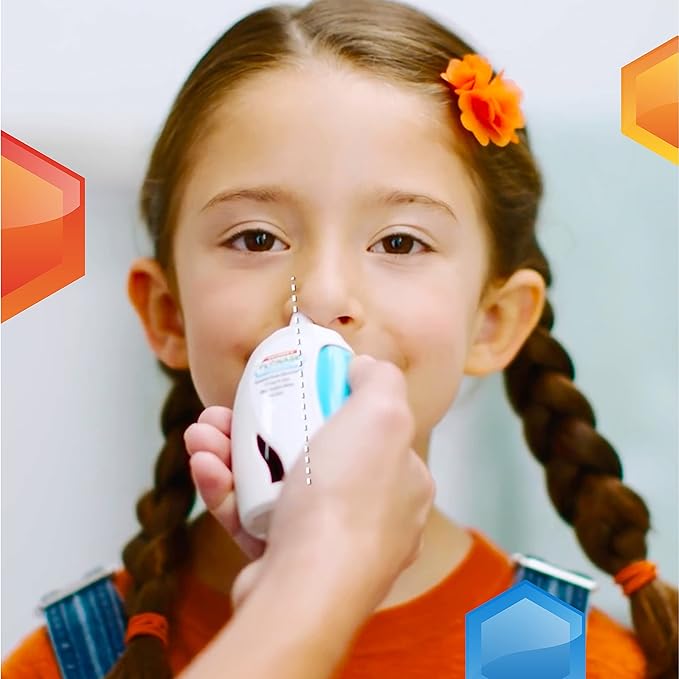
Talk with your child’s doctor BEFORE using to make sure it is the best treatment for their symptoms. If appropriate, this is the ONLY nasal spray of it’s kind, both in it’s simple delivery mechanism and FDA approval for kids 2 and up. It’s super easy to spray with a side button, rather than a spring-based top spray. These are all available over-the-counter.
The ONLY difference in the Children’s SensiMist and the Adult SensiMist is the COLOR and labeling. It is the exact same dose of medication, exact same spray mechanism, and both are scent-free.

Check out my VIDEO comparing the different types of spray which can be found on all platforms. If you find it helpful, please share, like, and subscribe/follow to my channels!
For 12 years and up (Including Grownups!)
Again, talk with your doctor BEFORE using these products to ensure appropriate use for symptoms. This is the more common Flonase/Fluticasone, with various options listed.
Aller-Flow (Kirtland) – Cheapest for purchasing in Bulk
Generic Fluticasone Propionate (Pack of 5)

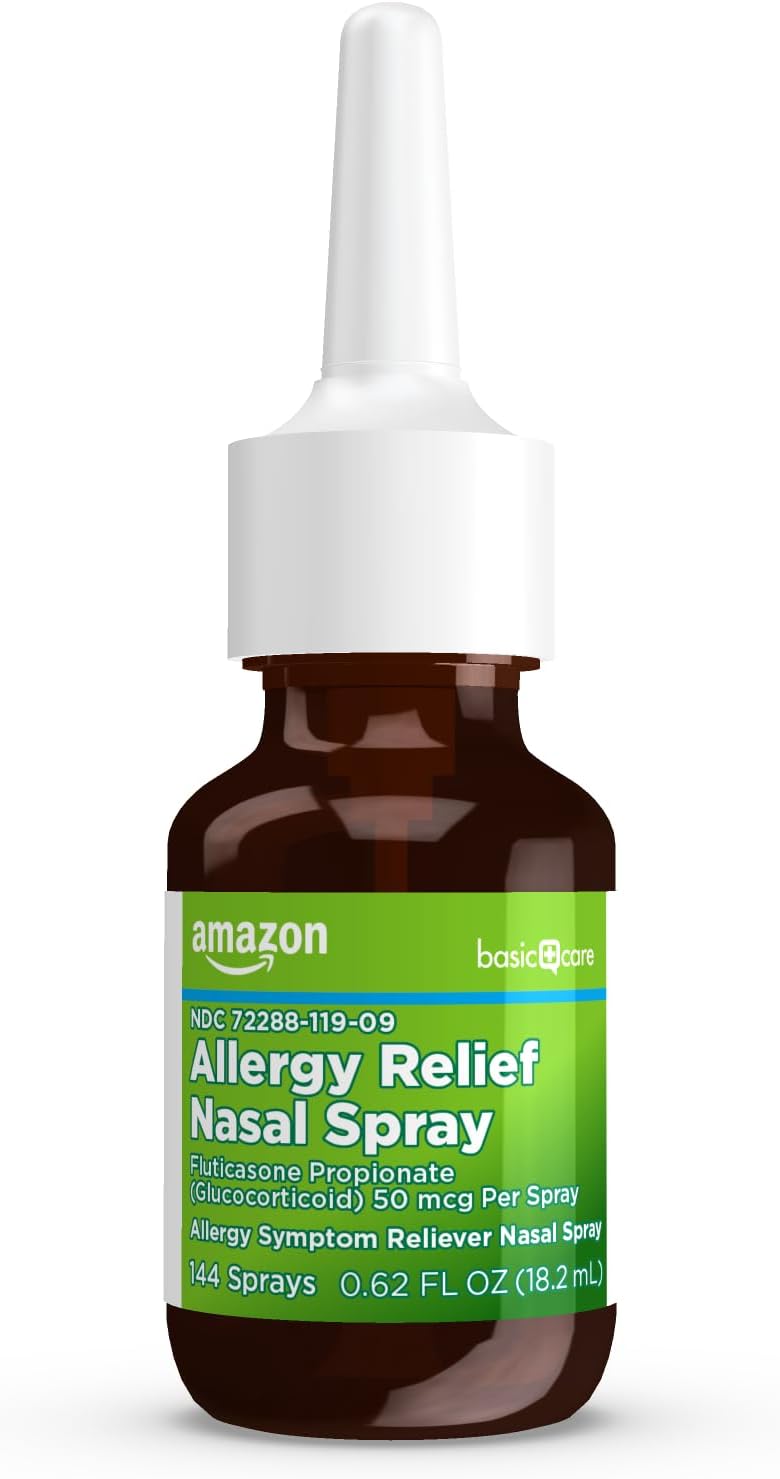
Amazon Basics – Cheapest per bottle
Generic Fluticasone Propionate, Amazon basics brand
Hydration
A decreased appetite is very normal while feeling sick, and kids may not eat much at all. This is ok as long as they stay hydrated. If unable to drink fluids and they look pale or dehydrated with cracked lips, dry mouth, or not producing wet diapers or urine, be sure to have your child seen in case they need IV fluids.
For infants, use breast milk or formula. DO NOT give water. If unable to drink milk, see your doctor in case IV fluids are needed.
For older kids, including toddlers, teenagers, and even adults, water is ok to give, but Electrolytes can be helpful if not eating very much.
HOWEVER, before you spend tons of money on Pedialyte or fancy electrolytes, there’s a much cheaper, simpler, and tastier option: 50/50 Apple Juice and Water Mix. In fact, a 2016 randomized controlled trial, showed that this solution was just as good or better than an Electrolyte Maintenance Solution, specifically in reducing the need for IV fluids, doctor visits, and hospitalizations.

But if you prefer electrolyte mixes, here are my favorites:
Transparent Labs Hydrate Electrolyte Formula
High quality and similarly priced cost per ounce compared to other options

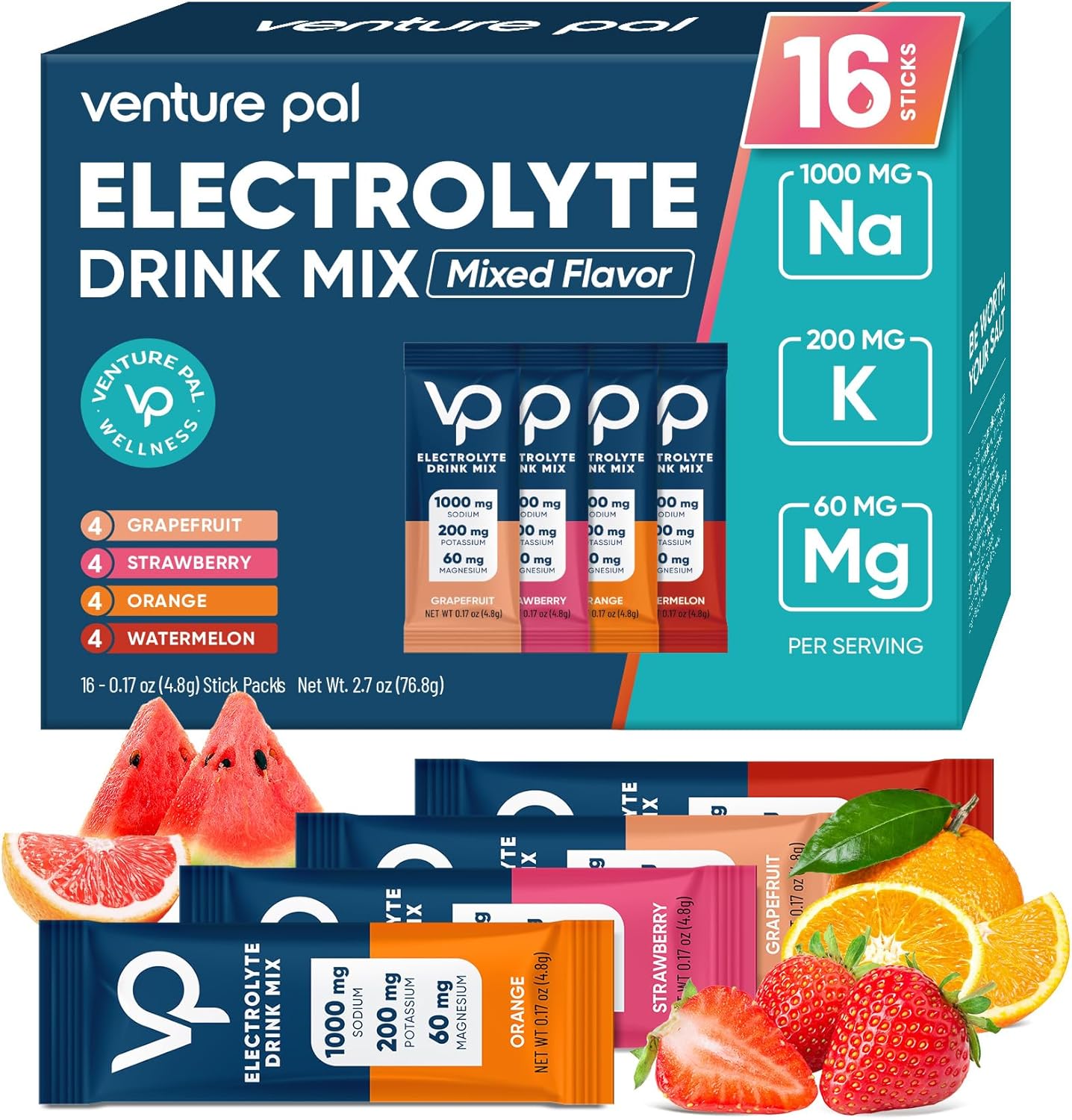
Venture Pal Electrolyte Mix
Balanced electrolyte mix with multiple flavor options. Inexpensive cost per oz compared to most other options

Cough
Remember, cough can be from a number of different causes besides just a cold. Always check with your doctor for diagnosis and treatment recommendations specific to your child. You should also discuss with your doctor to target the source of the cough and use treatments specific to their findings.
Most over the counter cough medications are NOT recommended for kids under 5-6 years old unless recommended by your doctor. In general, these medications have no proven benefit and multiple studies show no evidence of symptom improvement or reduction in the number of sick days. You are likely better off using simple home remedies such as honey, hydration, humidifiers, nasal saline, etc. which can be found in the previous section.
More specific information can be found by clicking on any of the following: COMING SOON
- Asthma
- Allergies
- Pneumonia
- Bronchiolitis
- and more!
IMPORTANT! DO NOT GIVE HONEY TO INFANTS LESS THAN 12 MONTHS OF AGE!
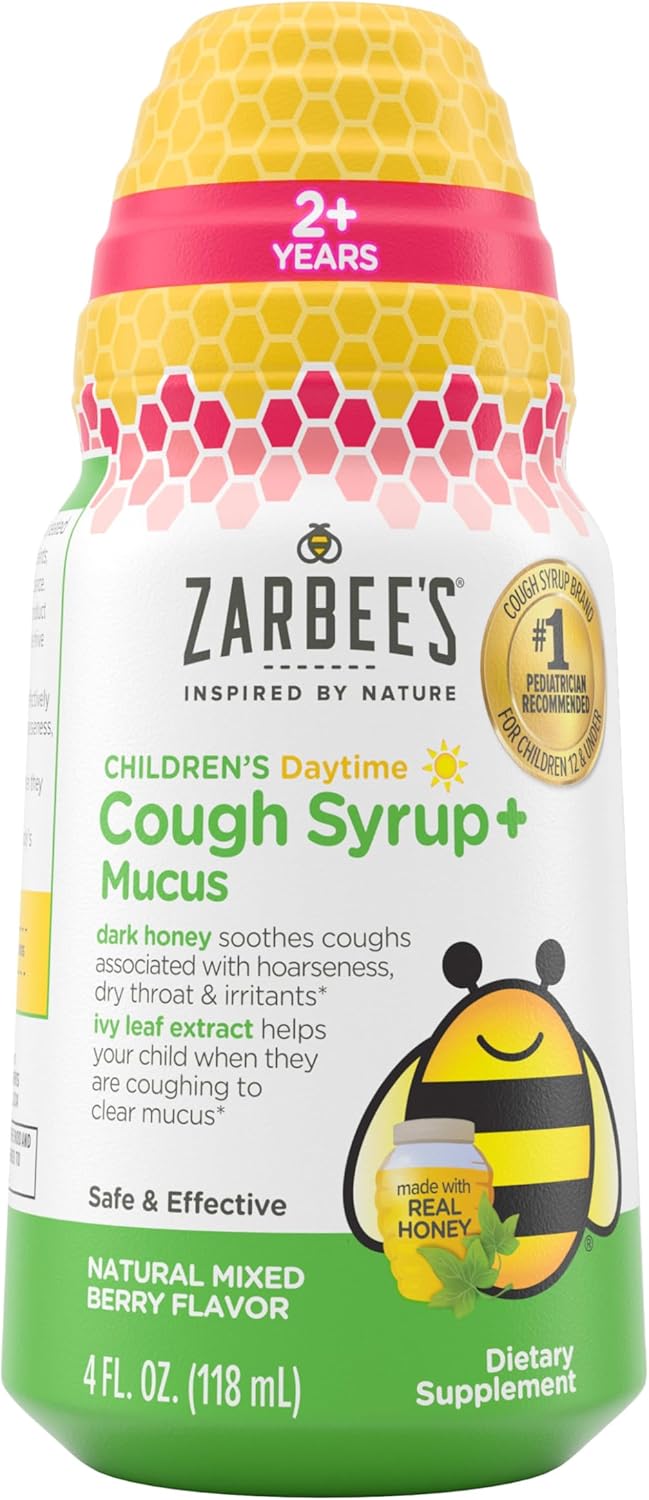
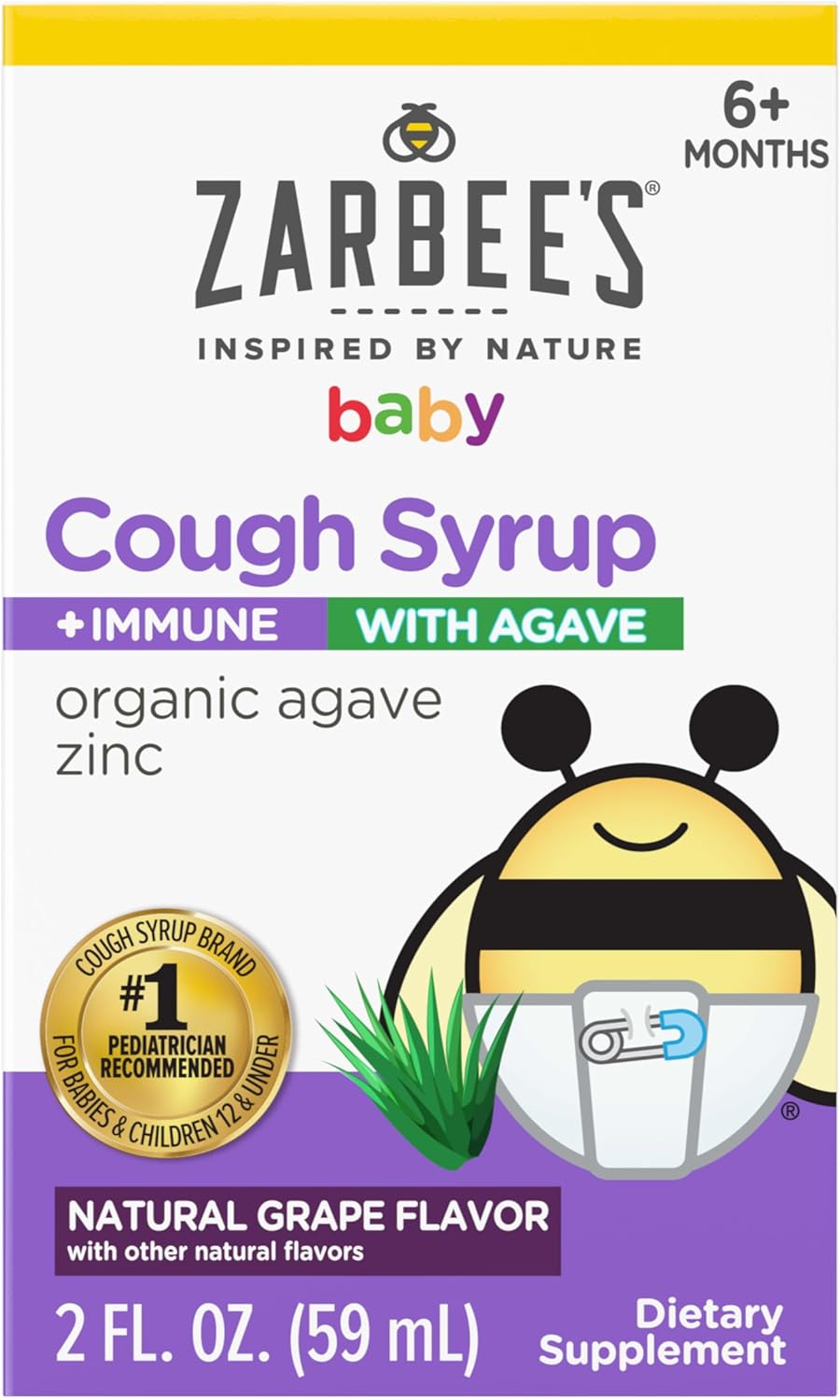
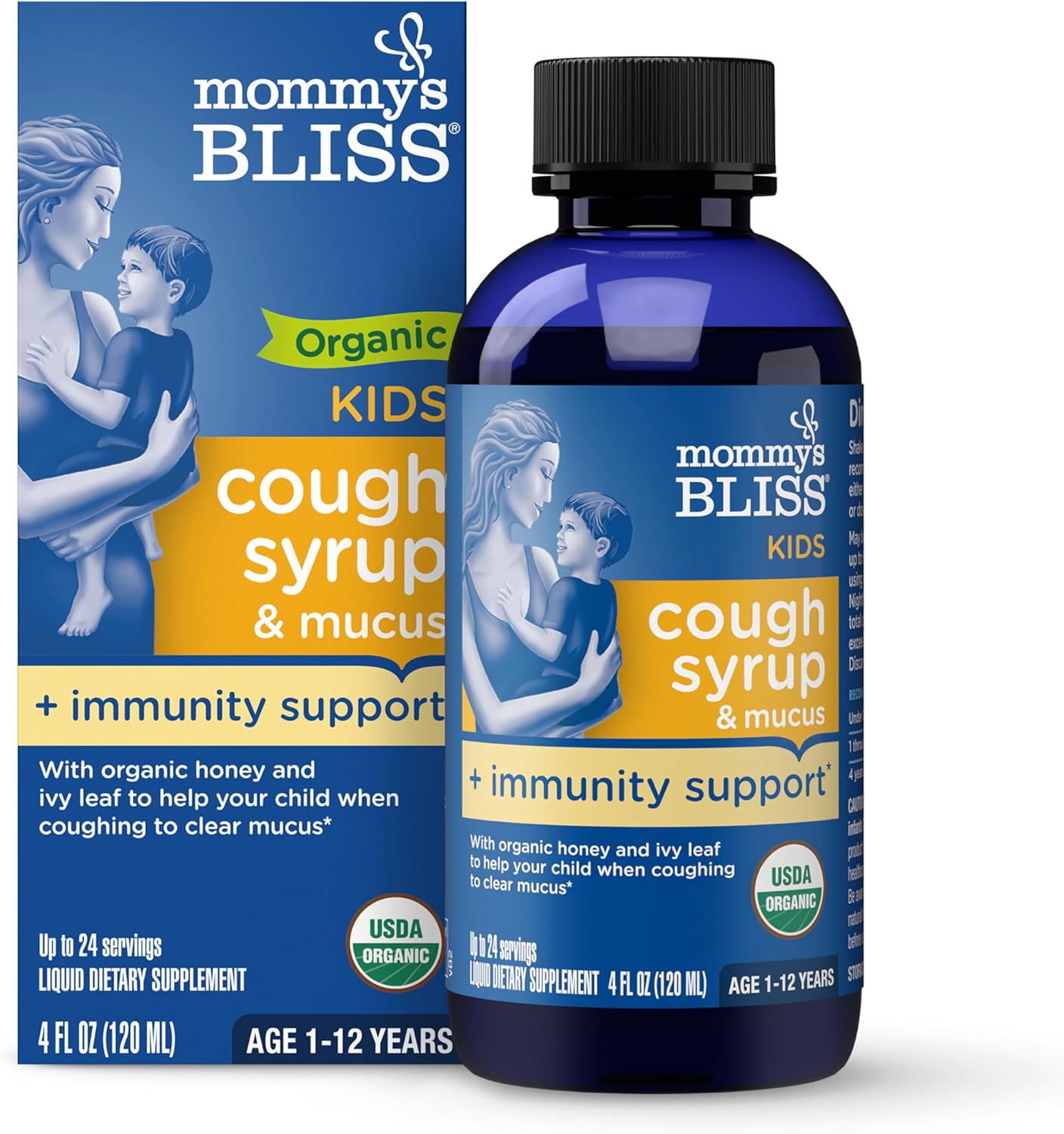
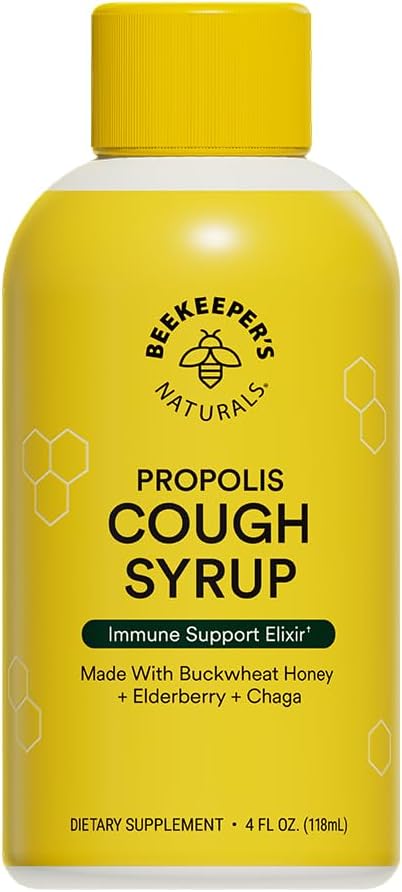
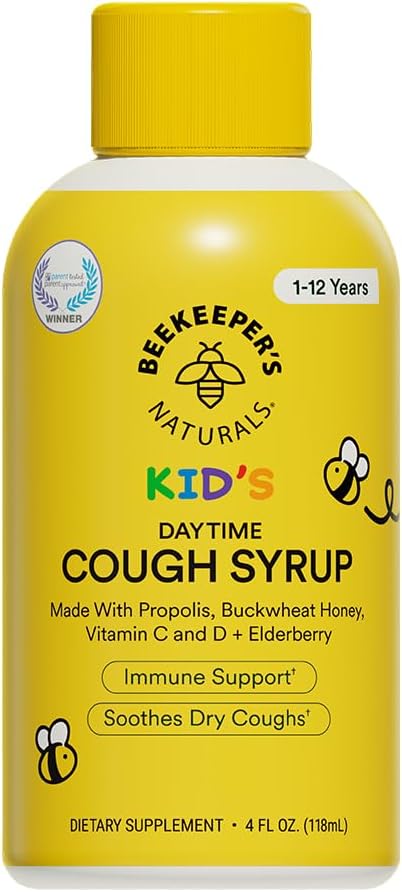
Here are some of my favorite over-the-counter cough remedies that I would recommend:
When to See Your Doctor
At any point in your child’s illness, you should never hesitate to call and schedule an appointment with your child’s doctor. They can perform a full exam, check their ears, listen to their lungs, and give you reassurance and advice. They can make specific recommendations based on their findings, and prescribe medication if needed.
If your child is having difficulty breathing, worsening or persistent fever over 5 days, inability to eat or drink, then you should take your child to the nearest hospital or emergency department, or call 911.







 The Pediatrician's Corner
Leave a comment